


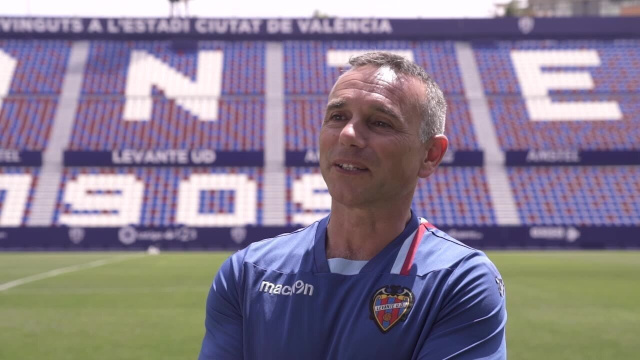
POCUS Support for Professional Spanish Athletes
Point-of-care ultrasound (POCUS) is an essential everyday tool in sports medicine at the Clinica Ivre in Valencia, Spain. Trauma specialist Dr. Miguel Ángel Buil-Bellver describes how ultrasound examination of the musculo-skeletal system has made diagnosing injuries easier and quicker, informing treatment decisions and help-ing athletes to return to their sports sooner.The Clinica Ivre opened 10 years ago in Valencia and offers a full range of sports medical services for professional and amateur athletes, including the Valencia Paralympic Committee, the Valencia Basket basketball team…
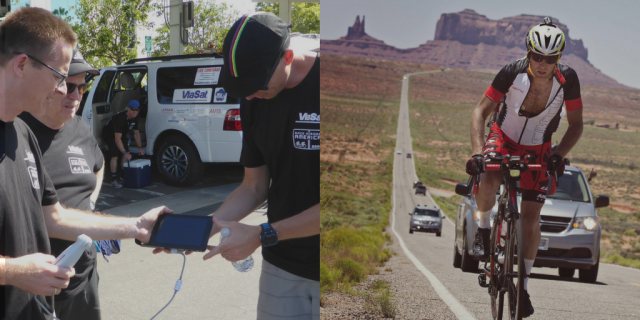
Sonosite iViz on the Race Across America
The Race Across America is billed as the world’s toughest bicycle race; a non-stop, coast-to-coast, transcontinental trek from Oceanside, California to Annapolis, Maryland. Racers cycle for over 3,000 miles across 12 states of frequently arid terrain, and climb 170,000 feet through three mountain ranges, with the fastest teams finishing in just over five days, and solo racers in under eight. Dr. Rüdiger Eichholz, a consultant anaesthetist at the private practise Medizi in Stuttgart (and keen amateur cyclist), joined the support crew of the winning eight-man team for 2017, armed with a…
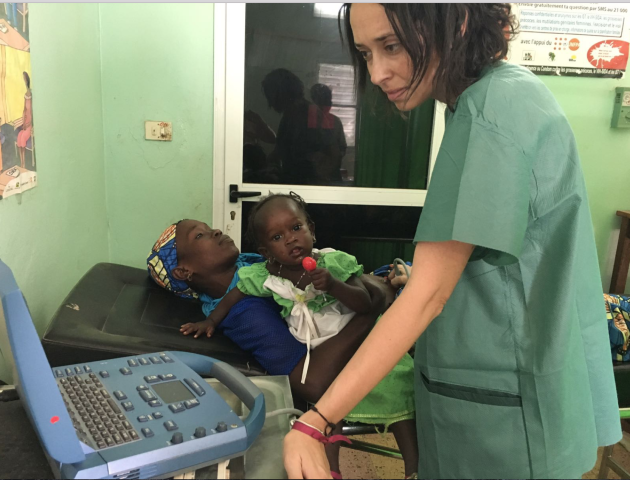
Spanish NGO Cirugía Solidaria Uses M-Turbo in Kenyan Health Mission
During the Summer of 2017, a group of healthcare professionals – the majority from the Hospital Clínico Universitario Virgen de la Arrixaca (HCUVA) in Murcia, Spain – travelled to Kenya in partnership with the Spanish NGO Cirugía Solidaria.They brought along surgical equipment – from beds to lamps to scalpels – to create a first-rate hospital set-up, most of which was donated by HCUVA. FUJIFILM Sonosite was pleased to support them by supplying an M-Turbo point-of-care ultrasound system for their trip. Angela Cepero Sonosite 2017-10-02.png "Over the course of two…
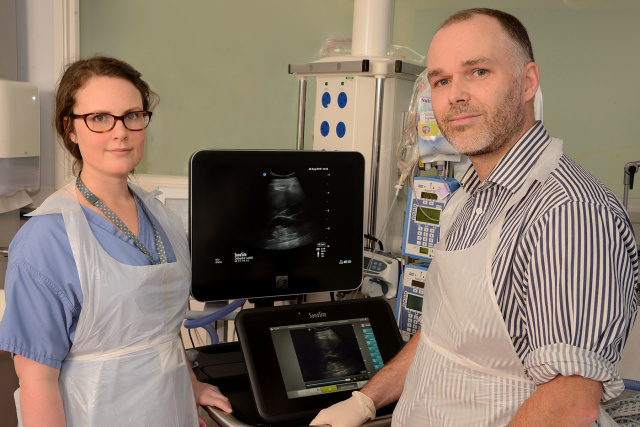
Sonosite’s X-Porte® helps to provide continuity of care
Point-of-care ultrasound systems play an important role in the treatment of complicated medical cases at the Royal Surrey County Hospital in Guildford, as consultant intensivist and anaesthetist Dr Justin Kirk-Bayley explained.
The Royal Surrey County Hospital is a 527-bed general hospital and a specialist tertiary centre for cancer, oral and maxillofacial surgery and pathology. As a major cancer centre, the hospital treats some very difficult and complicated patients, and so has a larger than average 28-bed intensive care unit (ICU). The hospital is also a national leader for enhanced…
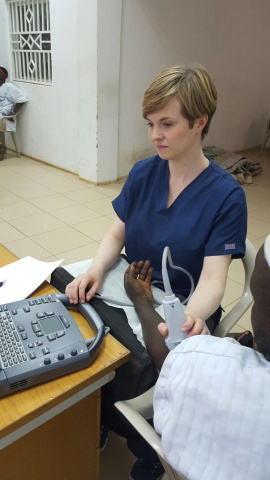
Gambian Trip Offers Dialysis Hope
Point-of-care ultrasound is a valuable tool for successful dialysis fistula surgery, allowing pre‑operative mapping to find a suitable site and post‑operative fistula scanning to check for stenosis and adequate blood flow. Anna Jerram, a clinical vascular scientist at the Manchester Royal Infirmary, discusses the role POC ultrasound played during a recent trip to the Gambia to provide critical fistula surgery to patients.
The current haemodialysis provision in the Gambia is limited; the Ida Bass Kidney Foundation (IBKF) was established by Sailey Fladsrud following the death of her mother in…
FUJIFILM Sonosite Creates a One-Stop Shop for Training and Education
FUJIFILM Sonosite continues to lead the way in ultrasound education and training, with the launch of a new educational website and even more courses to support your learning needs. Sonositeeducation.com provides details of an extensive range of courses focusing on point-of-care ultrasound, with online booking facilities and up-to-date information on course availability.
Courses cover a broad range of disciplines – including anaesthesia, critical care, emergency medicine, interventional procedures, musculoskeletal applications, and visual medicine workshops – each designed in collaboration…

Sonosite Sells 100,000th Ultrasound System
FUJIFILM Sonosite is delighted to announce that we have recently sold our 100,000th system. A Sonosite X-Porte, our premier kiosk ultrasound system, was delivered to a hospital in California in early October. “We are thrilled to be able to provide the X-Porte as our 100,000th system to one of our valued customers,” said Rich Fabian, FUJIFILM Sonosite’s COO, who announced the recipient of the 100,000th point-of-care ultrasound system at an employee Town Hall meeting at FUJIFILM Sonosite’s Bothell headquarters on October 19th. The Sonosite X-Porte was developed to…

Cardiac Ultrasound: Echocardiography with Dr. Robert Arntfield
Point-of-Care Ultrasound and Echocardiography Go from "zero to scan" with this 5-part video series from Sonosite and Dr. Robert Arntfield. Learn about Doppler Principles, TEE, Stroke Volume, TAPSE, RSVP and more. Learn With Sonosite and Dr. Robert Arntfield Dr. Arntfield is a trained emergency physician, intensivist and traumatologist who is active with point of care ultrasound in all clinical areas. He is co-author of the textbook: Point-of-Care Ultrasound and is director of the critical care ultrasound programme at Western University. He is a past course leader for the…
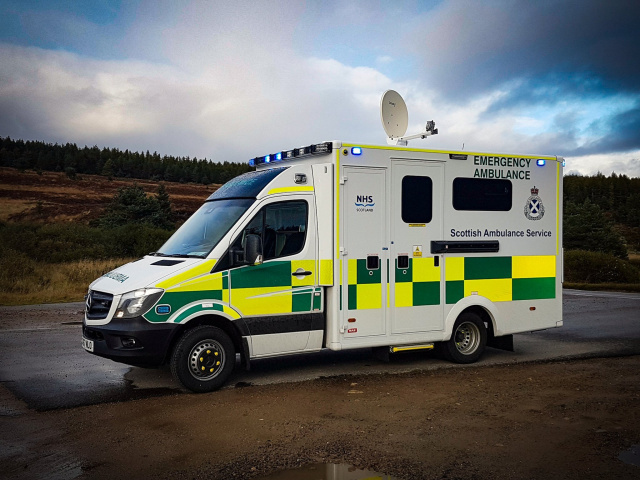
Telemedicine – a New Model for Pre-Hospital Ultrasound?
FUJIFILM Sonosite’s M-Turbo point-of-care (POC) ultrasound systems will soon be providing pre-hospital diagnostics across the Scottish Highlands as part of the innovative SatCare trial. This study aims to combine POC ultrasound and advanced communications to enable remote image interpretation and decision making for a range of time-critical conditions.
The ongoing development of high speed mobile data networks has transformed telemedicine – remote diagnosis and direction of treatment – leading to improved outcomes for a wide range of medical conditions. However, many existing telemedicine…
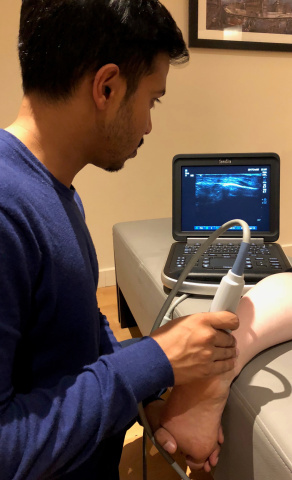
Enhancing Sports and Exercise Medicine with Point-of-Care Ultrasound
Point-of-care (POC) ultrasound has a great deal to offer clinicians specialising in sports and exercise medicine, and we have some stories to share with you. Earlier this year, we published Dr Adam Garnett’s experience using POC ultrasound at the Jersey Sports Medical Clinic, and Sonosite Spain recently released a video – with subtitles! – following the work of Dr Miguel Angel Buil, chief of medical services for the Spanish premier league football side Levante UD.
We thought we would take a moment to catch up with Dr Dane Vishnubala and discuss his experience of using POC ultrasound in his…
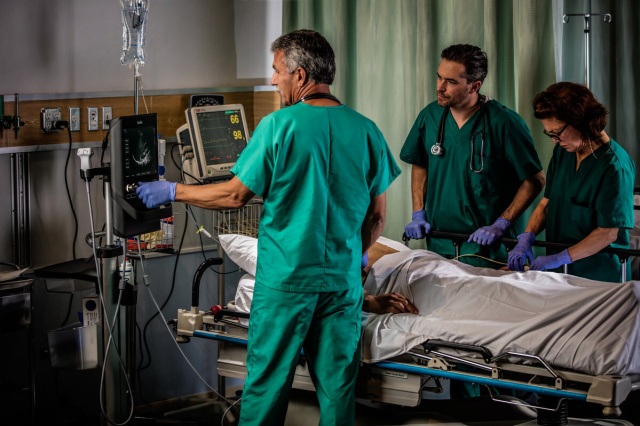
9 Reasons Ultrasound is Invaluable for Nephrologists
Point-of-care ultrasound is fast becoming a key instrumental technique in nephrology , supporting diagnostics and improving delivery of renal replacement therapy and subsequent vascular monitoring.Here are the top 9 reasons why nephrologists can't afford to ignore ultrasound-guided procedures and applications. 1. Kidney and urinary tract scans provide information about size, shape and echogenicity, as well as an opportunity to identify hydronephrosis.2. Patients with chronic kidney disease are often at risk of cardiovascular complications, such as left ventricular hypertrophy.3. CKD…
Guiding Paediatric Vascular Access
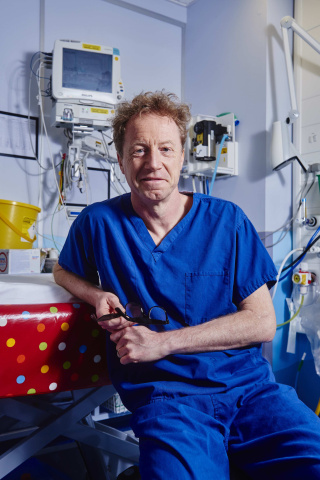
NICE guidelines for ultrasound-guided placement of central venous lines in adults and children were first issued in the UK in October 2002. Dr James Bennett, Consultant Anaesthetist at Birmingham Children's Hospital, discusses how the debate has since moved on from whether ultrasound should be used for vascular access, to what other information and safety assurances it can provide, especially in paediatrics.
The transplant unit at Birmingham Children’s Hospital – now part of Birmingham Women’s and Children’s NHS Foundation Trust – carries out around 35 liver and 12 kidney transplants a year,…
Battling Opioid Over-Prescription from Inside the ED
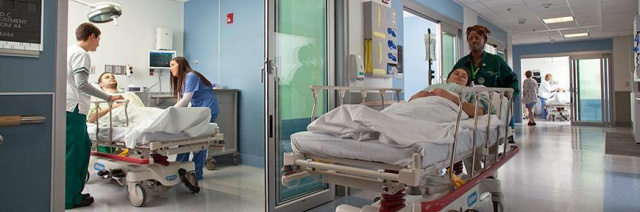
Did you know that nearly half of all opioid overdoses involve a prescription?Physicians are beginning to tackle the problem at ground zero: in the ED, where many patients receive their first prescription opioids.From treating acute traumatic pain to identifying new ways to alleviate patient suffering, emergency medicine physicians are identifying new ways to alleviate patient suffering without prescribing potentially addictive narcotics. Innovative methods like ultrasound-guided nerve blocks can take patient pain from 10 to 0 in a matter of minutes.Join FUJIFILM Sonosite (booth# 2307) in…
WCUME17 POCUS Chat: Interview with Dr. Peter Steinmetz - PT. 2
Dr. Peter Steinmetz, co-chair of WCUME 2017 and Director of Undergraduate Bedside Ultrasound Teaching at McGill University answers questions around the use of point-of-care ultrasound (POCUS) and ensuring its proper use worldwide.
You can listen to the audio interview with Dr. Steinmetz here.
Read our first blog featuring Dr. Steinmetz here.
What needs to happen nationally and internationally to improve the consistency of user skills and spread use of POCUS across medical disciplines?
"It all starts with undergraduate medical education (UGME) as the foundation. There needs to be…
Fujifilm initiates a Phase I clinical trial of Anti-Cancer Drug FF-10101 in the United States in patients with Relapsed or Refractory Acute Myeloid Leukaemia (AML)
FUJIFILM Corporation (President: Kenji Sukeno) announced the commencement of a Phase I clinical trial of its anti-cancer drug FF-10101 in the Unites States in patients with relapsed or refractory acute myeloid leukaemia (AML).
AML is a type of haematological malignancy associated with the malignant transformation of hematopoietic stem cells, which generate blood cells, into leukaemia cells. These leukaemia cells then exhibit abnormal growth in the bone marrow and it prevents the generation of blood cells. Furthermore, the leukaemia cells with aberrant growth invade other organs outside the…
Sonosite Ultrasound Gets Dirty at the Spartan Race
On the weekend of July 1 and 2, the pretty ski resort of Morzine in the region of Savoy welcomed the famous and difficult Spartan Race, an obstacle race open to all physical abilities and all levels. Competitors came from all over Europe to take part in the event.
With cold temperatures (54°F [12°C]), mud, rain, and a glacial river, the competition lived up to its reputation. In this type of race, competitors are put through the mill and regrettably injuries are common. When it comes to first aid, it pays to be prepared. Dr. Bensalah is used to extreme competitions. He is…
The Tube Approach to Perioperative Point-of-Care Ultrasound
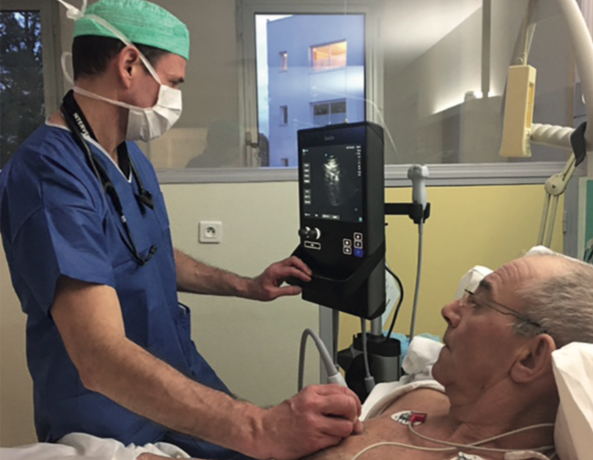
Anaesthetists working in perioperative medicine have increasingly taken a whole body approach to patient evaluation known as TUBE – Total Ultrasound Body Examination – thanks to the development of point-of-care ultrasound.Dr. Christophe Aveline, Consultant Anaesthetist in critical care and surgery at the Sévigné Private hospital in Rennes, is an advocate of TUBE and works closely on its adoption with the European Society of Regional Anaesthesia (ESRA) and the French Society of Anaesthesia and Resuscitation. Dr. Aveline recently sat down with Sonosite to discusses the importance of the TUBE…
Concerns about Point-of-Care Ultrasound in Australia
by Rich Fabian, Chief Operating Officer, FUJIFILM Sonosite
A recent article in the Sydney Morning Herald about a push for increased point-of-care ultrasound (POCUS) funding caught my eye. I was initially excited that the topic was receiving such prominent placement, but after delving in, I realised that that situation being described was obviously very frustrating for the people involved.
The article describes three problems that Australian providers and patients face when it comes to the use of POCUS in Australian Emergency Departments.
Medical Professionals Need POCUS Training…
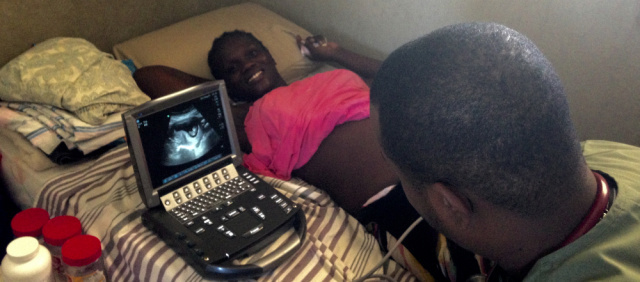
Global Health: The IWISH Foundation and Sonosite Ultrasound Machines in Haiti
Audrey E. Stryker, MD, an Ob/Gyn and partner at Women's Ob-Gyn, P.C., has been traveling to underdeveloped countries with Sonosite ultrasound systems since 2004. As a part of the IWISH Foundation (International Women & Infant Sustainable Healthcare), she and her colleagues recently travelled to Haiti to help train the next generation of medical professionals. This is her story."We've been traveling to underdeveloped countries since 2004, hoping to achieve a model that offers a sustainable means for countries to provide health care for their women and children. Haiti…
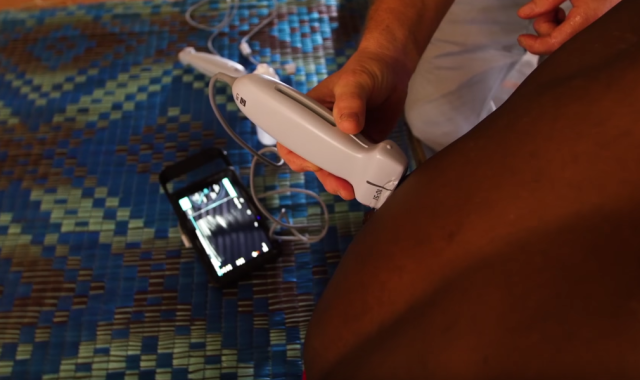
Portable Ultrasound Machine for International Medical Missions
Dr. Russell Engevik is an emergency room physician from California who volunteers with Lighthouse Medical Missions.He recently sent a video showing us how he utilises a borrowed Sonosite iViz while working with patients in the hospital in the small fishing village of Tanji, The Gambia.The Gambia is a resource-poor nation in West Africa with an economy that relies primarily upon tourism. Less than 6% of the land is arable, and the main crop grown in the country is peanuts.The Gambia is nearly entirely surrounded by the country of Senegal, except for the section that is bordered by the Atlantic…