


Transcript
- Mi chiamo Chris Pennell.
Modererò il webinar di oggi.
Vorrei dare a tutti il benvenuto al SonoSite
dietro il webinar di scansione intitolato RAs
Utilizing Ultrasound Guided Tap and Rectus Sheath Blocks.
Prima di iniziare, ho un paio di cose da dire.
Per prima cosa, tutti i partecipanti sono silenziati e condurremo una q
e una sessione alla fine della presentazione.
E stiamo trasmettendo questo webinar su
diverse piattaforme.
Per porre domande,
dovete essere sul flusso principale del webinar di Zoom.
Ora, se siete nel flusso di zoom principale,
potete digitare le vostre domande nella q
e in un riquadro della barra degli strumenti che si trova in basso
o sul lato dello schermo, e potete sentirvi liberi
di inserirle nel corso della presentazione
e le affronteremo una volta terminata la presentazione principale.
Questo webinar sarà registrato
e archiviato per riferimenti futuri sulla nostra pagina dei webinar.
Oggi è qui con noi Robert Fall.
Robert Fall è un assistente anestesista certificato.
Robert fa parte del gruppo di anestesiologia dell'Ohio,
Southwest Division del Southwest General Hospital
da 24 anni, dove è il capo anestesista.
È anche coordinatore clinico presso la Southwest
per il caso Cleveland, Western Reserve University,
programma CAA nel 2016.
Robert ha creato la scuola PNB,
che si concentra sull'espansione dell'uso
delle tecniche di anestesia regionale guidate dagli ultrasuoni.
Ha insegnato in numerosi programmi di formazione in anestesia
in tutto il Paese e ha tenuto conferenze ai leader del settore
in tutti gli Stati Uniti.
Robert, grazie mille per essere qui,
e passo la parola a te. Grazie,
- Chris.
Grazie per avermi invitato. Felice di essere qui.
Mi chiamo Robert Dahl, come ha detto lei, della PNB School.
Sono un anestesista a sud-ovest di Cleveland,
Ohio, presso il Southwest General, e sono entusiasta di essere qui
perché posso parlare di alcune delle procedure
che utilizziamo,
a volte quotidianamente, sicuramente settimanalmente.
E io, io posso condividere quello che facciamo al Southwest
e come abbiamo modificato le nostre procedure e, e i blocchi
e per, per la chirurgia addominale.
Oggi parleremo dell'ERA utilizzando gli ultrasuoni
guidati per i blocchi della guaina rettale.
E questo dovrebbe essere un buon risultato.
Quindi alcuni dei punti fondamentali sono alcuni, sono alcuni
dei benefici riassuntivi dell'ERA a
partire dalla chirurgia addominale.
Alcuni degli obiettivi che abbiamo,
dovrebbero essere tutti orientati agli obiettivi.
Quindi penso che molti di noi conoscano ormai questi obiettivi.
Ma sicuramente uno dei maggiori è la riduzione della durata della permanenza in ospedale,
e questo è sicuramente un risultato misurabile.
Diminuzione del tasso di complicanze complessive, diminuzione delle infezioni,
TVP, eccetera, diminuzione del tasso di riammissione a 90 giorni,
che è importante per le tariffe globali.
Ora, il punteggio del dolore è diminuito, il che è importante.
Di nuovo, la maggior parte di ciò che facciamo è guidato dai punteggi di Press Ganey,
dal feedback dei pazienti.
Quindi se non hanno dolore, questi,
quei punteggi di solito salgono.
E naturalmente, la diminuzione della nausea
e del vomito in generale è l'obiettivo,
l'obiettivo è una maggiore soddisfazione del paziente.
Quindi, riassumendo, i pazienti tornano a casa più velocemente,
hanno meno complicazioni, diminuiscono il dolore
e la nausea, il vomito, la soddisfazione complessiva del paziente
aumenta.
Quindi è il come, come facciamo,
come realizziamo questi obiettivi?
E la chiave è la deambulazione precoce, di nuovo, non è un segreto,
è stato scritto in numerosi articoli,
ma sai, poi è come facciamo,
come facciamo a far deambulare questi pazienti un po'
prima, un migliore controllo del dolore di sicuro.
Questo è, questo è probabilmente il primo due
con nausea e vomito.
Quindi la diminuzione della nausea e del vomito aumenta il controllo del dolore in un modo o nell'altro.
E poi il ritorno
della normale funzione intestinale è altrettanto importante.
Va di pari passo con la nausea e il vomito.
E come facciamo?
Di solito pensiamo di limitare gli oppiacei in qualche modo.
Abbiamo scoperto che gli oppiacei sono molto utili.
Lo sappiamo da tempo,
ma il modo in cui li usiamo è cambiato nel corso degli anni.
E sicuramente nella mia pratica, nel modo in cui li uso, cerco
di limitarli e di dare solo quello che devo dare
per far superare ai pazienti l'intervento chirurgico in modo confortevole nel periodo
post-operatorio.
E poi, naturalmente, con l'anestesia regionale,
si combinano questi due elementi per diminuire gli oppiacei e la,
e la funzione intestinale torna alla normalità
e si ha una diminuzione del tasso di nausea e vomito.
Altri elementi fondamentali per la deambulazione precoce del paziente dopo l'intervento.
Il più grande che, secondo me, viene tralasciato
e, e dico a tutti nel nostro ospedale
quanto sia importante almeno una settimana sì e una no, è che bisogna
stabilire le aspettative del paziente.
Quindi dovete stabilire, sapete, le regole di base
per quello che sarà il loro ruolo in tutto questo.
E c'è un ottimo
riassunto in questa immagine di come farlo.
Quindi, in ogni punto di contatto con il paziente,
è necessario rafforzare le aspettative.
Se devono sottoporsi a un taglio intestinale, robotico,
laparoscopico, aperto o
altro, bisogna dire loro quali sono le loro,
aspettative.
Quindi, quando vanno nell'ufficio del chirurgo, vogliamo dire loro:
Ehi, stai per essere operato.
Gli diremo tutto sull'intervento e
sulle cure post-operatorie che riceveranno.
E una volta raggiunta quella soglia, noi,
diremo loro quali sono le loro aspettative
e possiamo, possiamo definirle come vogliamo.
Quindi potrebbe essere al capezzale del letto entro un paio d'ore.
Potrebbe essere camminare entro un'ora,
fare 10 passi, 20 passi,
percorrere 30 piedi, qualsiasi cosa decidiamo.
Poi nei test di pre-ammissione,
sentiranno la stessa cosa.
E prima dell'intervento, le infermiere diranno loro la stessa cosa.
L'équipe chirurgica, ovviamente,
e l'anestesia diranno loro le stesse identiche
aspettative e quando avranno finito l'intervento
e arriveranno a, a, a impacchettarvi
e poi al piano, l'avranno già
sentito sette volte.
E sarete sorpresi dal fatto che, solo rafforzando
quello che succede quando arrivano al piano è
che seguono quelle regole e le aspettative sono soddisfatte.
Sono seduti al capezzale del letto, camminano in poche ore
e tutti sono a bordo.
Quindi, per riassumere, evitate la nausea e il vomito postoperatori.
Includiamo una corretta sostituzione del volume.
Ho dovuto menzionarlo perché non vogliamo sovraccaricare il
paziente di liquidi, ma non vogliamo nemmeno renderlo,
ipovolemico.
Quindi euvolemico di solito se si tratta di un caso di intestino
un po' meno.
Quindi antiemetici multipli, pre-operatori intraoperatori
e post-operatori.
E poi trattare qualsiasi emesi post-operatoria
con gli antiemetici di soccorso che abbiamo a disposizione.
E, ancora, ridurre la nausea e il vomito post-operatori.
Come limitare gli oppiacei di cui abbiamo bisogno.
Dobbiamo limitare gli oppiacei in qualche modo
e usarne una quantità appropriata se vogliamo usarli
e recuperare la funzione intestinale il più velocemente possibile.
Quindi come facciamo?
Un'adeguata analgesia postoperatoria è uno dei modi.
E come facciamo? Usiamo un approccio multimodale
per l'analgesia in questi casi,
e possiamo definirlo come vogliamo.
Non c'è un solo modo di scrivere un protocollo ERAS,
e i chirurghi avranno un contributo,
il personale infermieristico avrà un contributo.
Tutti nel gruppo di anestesia avranno
un contributo a un certo punto.
Quindi usiamo combinazioni di farmaci qui, FANS, ketamina,
ddo, magnesio, locale dal chirurgo in cima ai blocchi,
modulatori emodinamici.
È stato dimostrato che i betabloccanti
influenzano la sostanza p, il gabapentin,
e il propofol con un asterisco,
perché mi sembra di capire che la diapositiva dice analgesia
e ci è stato insegnato il propofol come anestetico,
ma ci sono modi per usare il propofol per,
attenuare le risposte agli stimoli?
E sappiamo che ha un'azione molto breve.
Quindi, se riusciamo a far superare ai pazienti i periodi
che sappiamo essere stimolanti con il propofol,
è un enorme beneficio perché passa così rapidamente.
E quindi questa è probabilmente un'informazione
per un altro discorso.
Quindi cercheremo di rimanere in tema.
E naturalmente, come possiamo limitare o evitare gli oppiacei?
Uno dei modi migliori per controllare l'analgesia che,
abbiamo visto negli ultimi 20 anni è l'anestesia regionale guidata dagli ultrasuoni.
Quindi è stato allora che sono stato coinvolto in questo,
e questo è stato uno dei modi migliori per,
controllare il dolore negli interventi chirurgici addominali.
Vogliamo quindi parlare dei blocchi del rubinetto e del retto e,
e parlerò del nostro approccio,
l'approccio generale del sud-ovest.
Quasi sempre,
per la chirurgia addominale, eseguiamo 00:08:10.220 bilaterali sottocostali tap a guida ecografica
e blocchi della guaina rettale, escludendo le
riparazioni di ernie ombelicali e inguinali aperte.
Perché per questi si fa solo la guaina rettale
o un blocco unilaterale con rubinetto.
Ma ogni volta che parliamo di laparotomie robotizzate o laparoscopiche
o anche di grandi laparotomie esplorative estese,
di solito usiamo rubinetti sottocostali bilaterali
e blocchi della guaina rettale per aiutare
con il dolore perioperatorio.
Quindi, e c'è, ricevo sempre questa domanda,
quindi perché il rubinetto e il retto prima ql?
perché ci sono alcuni, alcuni grandi credenti di QL
e lo usano anche durante questi interventi.
Quindi perché il rubinetto e il retto rispetto al QS è una buona domanda.
E per noi si è trattato di alcune cose.
E il numero uno era la coerenza.
Quindi i blocchi del rubinetto e del retto sono molto affidabili.
Sappiamo che non danno sollievo dal dolore viscerale,
ma forniscono un sollievo somatico molto consistente
e affidabile.
Anecdotally for me, I did maybe 50 QL ones
before I decided that it wasn't the block for us
because two oh ones were hit
or miss, I could put the medicine in the,
the exact same spot every time,
and I just did not get the consistent results that I needed
to be able to tell patients
and surgeons that they were gonna have really good pain
relief postoperatively.
L'altra ragione è che i blocchi tap
e retto sono tecnicamente più facili, secondo me.
I QL uno sono facili, ma i QL due
e tre sono tecnicamente difficili, il che significa che per tutti i
nostri anestesisti, non avrebbero
potuto eseguirli con un tasso di successo più elevato.
Quindi tutto il nostro personale di anestesia si trova a suo agio nell'eseguire blocchi tap
e retto, anche su pazienti obesi.
Sono solo più semplici.
Quindi è, è tutto attivo per il nostro, per il nostro gruppo,
è tutto a portata di mano,
tutti gli anestesisti eseguono i blocchi,
e quindi chiunque sia disponibile, se è disponibile a venire
e aiutare ad essere una terza persona è ancora meglio.
Quindi c'è tutto l'aiuto possibile.
Alleniamo tutti a eseguire i blocchi
che normalmente dobbiamo fare ogni giorno.
Quindi, tutti in coperta
e il nostro protocollo, non voglio essere troppo specifico,
ma i Multimodali iniziano prima dell'intervento, continuano prima dell'intervento.
Potete decidere quali sono i multimodali migliori per voi,
i vostri pazienti, e,
e sapete, sapete, i vostri chirurghi il miglior tap
e blocchi del retto eseguiti prima dell'incisione.
E questo è importante perché se si va avanti,
si smorza la risposta all'incisione,
quindi si diminuisce la quantità di oppiacei necessari.
Questi blocchi non sono analgesici per via chirurgica. Lo sappiamo.
Riteniamo che sia importante,
bloccare questi pazienti prima dell'incisione.
E questo è un argomento contro l'esecuzione del chirurgo.
E ho messo le virgolette, tap block,
Ho visto descrivere le iniezioni nel peritoneo con iniezioni locali,
come un, un, un blocco come un tap block,
che non è veramente un tap block,
ma funziona, può funzionare abbastanza bene se sono bravi
e, e molto specifici con la loro iniezione.
Ma anche dopo l'incisione.
Quindi dovremo già trattare il dolore
con oppiacei dall'incisione,
e poi i blocchi verranno in un secondo momento.
Quindi ci piace anticipare i tempi, mettere i blocchi del rubinetto
e del retto prima dell'incisione e,
e ancora, non sono, non sono analgesici chirurgici.
Quindi una piccola quantità di oppiaceo somministrata per
induzione fa molta strada.
E cerchiamo di programmare molto bene i nostri oppiacei per ridurre al minimo
la quantità da somministrare, soprattutto
ai nostri chirurghi.
La prossima diapositiva mostrerà, quindi, i tempi,
il flusso di lavoro del rubinetto e del rettangolo.
Quando eseguirai questi blocchi?
Li eseguirai in pre-operatorio?
Li eseguiamo in or?
Bisogna avere in mente l'efficienza
per fare tutto
e non ritardare i casi chirurgici,
specialmente nel nostro ospedale, questo non funzionerebbe mai.
Quindi è meglio avere tutto insieme,
mettere insieme i materiali, assegnare il ruolo di anestesista.
Quindi se si tratta di un anestesista e di un medico,
o se il medico ha bisogno di chiamare anche qualcuno,
in più o due medici solo per firmare chi sta facendo cosa.
Uno si occupa delle vie aeree, l'altro dei blocchi
e la procedura inizia, per noi, solo
dopo l'induzione.
Quindi, quello che faremo è indurre il paziente
e poi utilizzeremo l'équipe della sala operatoria per preparare
e drappeggiare per il blocco immediatamente
dopo che il paziente si è addormentato.
Quindi so che in anestesia ci insegnano, sai,
le vie aeree per prime, ma possiamo sicuramente lavorare in parallelo.
Non devono disturbarci, sai,
non muovono il paziente in modo drammatico.
Quindi possiamo, possiamo preparare e drappeggiare per il blocco solo
dopo essere andati a dormire.
E di solito utilizziamo il nostro team di sala operatoria per questo.
Lo farà il PA o il SA, lo specializzando, chiunque,
chiunque si trovi nella stanza in quel momento.
E poi abbiamo già dedicato una persona
a, per eseguire il blocco.
Quindi spingono gli ultrasuoni mentre noi,
mentre intubiamo, preparando tutto.
E faranno il blocco mentre stiamo nastrando il tubo,
facendo altre cose,
impostando gli anestetici, le impostazioni di ventilazione.
E in questo momento bisogna pensare,
soprattutto se si ha qualcuno alle prime armi,
di limitare il tempo che
si assegna per completare i blocchi.
Non è una gara da fare di corsa,
ma non dovreste impiegare 20 minuti per fare questi blocchi.
Questi sono piuttosto semplici e diretti.
Quindi, se ci vuole più tempo di quello che ritenete accettabile,
abbandonatelo o, o datelo a qualcun altro e,
e vedete se riescono a farlo più velocemente.
Ma ci dovrebbe essere un limite di tempo per questi blocchi, in modo da
non ritardare i chirurghi.
Se fai tre di questi casi in un giorno
e aggiungi, sai, 10 minuti per ogni caso, è probabilmente,
probabilmente un po' troppo lungo.
Cinque minuti sarebbero molto meglio.
Ma ancora una volta, c'è bisogno di tutte le mani in pasta.
Tutti aiutano tutti in quello che facciamo
e in realtà, quello che abbiamo visto è che il nostro personale è molto orgoglioso di aiutarci.
Cioè, hanno iniziato a mettere i guanti all'operatore di anestesia durante il
giro del letto per fare i blocchi.
Si stanno preparando, chiedono
di prepararsi, sono tutti lì.
Quindi è stato divertente da osservare.
L'idea è quella di lavorare in parallelo con due gruppi che lavorano nello stesso momento, svolgendo compiti diversi, in modo da ridurre i tempi di 00:14:01.180
lavoro.
Si tratta solo di cercare di essere efficienti e,
e di usare il buon senso per,
finire la giornata un po' più velocemente.
Quindi il blocco delle schede, solo un rapido ripasso.
Credo che questo sia un blocco comunemente usato.
Il bersaglio è la parte inferiore della sesta toracica
e c'è T sette a T 12 e L uno.
Ne parleremo un po'.
Credo che il bersaglio sia un po' più T
nove circa per i rubinetti,
ed è forse per questo che parleremo anche di blocchi della guaina rettale
.
Ma ci torneremo sopra. Ci sono alcune,
immagini fantastiche su questo tra poco.
L'obiettivo per l'anestetico locale, vogliamo
iniettare il locale superficiale
al muscolo addominale trasverso
e profondo alla fascia sopra il muscolo.
È importante. Bisogna andare in profondità fino alla fascite,
bisogna entrare nella fascia, attraversarla
e fermarsi sopra il muscolo.
Anche in questo caso, fornisce analgesia somatica all'addome.
Nessun dolore viscerale in realtà.
E cercheremo di scomporre al meglio,
il meglio che ho potuto fare con questa immagine.
Quindi abbiamo l'obliquo esterno
e man mano che togliamo gli strati,
speriamo che vi facciate un'idea.
C'è l'obliquo interno,
e poi ancora in basso il trasverso,
il muscolo dominus.
E si possono vedere i piccoli nervi toracici correre, correre
attraverso questo piano che è evidenziato qui.
In profondità c'è il peritoneo.
Ovviamente vogliamo evitare questo
e vogliamo solo cercare di ottenere il locale,
dove questi piccoli nervi,
innervano la parete addominale.
Questa immagine mostra esattamente dove dobbiamo iniettare.
Se l'ago è la freccia gialla, faremo un salto
attraverso lo strato di fascia
sopra il muscolo addominale trasverso
e inietteremo appena sopra il muscolo.
E a volte le persone sono un po' confuse,
pensano che forse siamo all'interno della fascia,
ma se si apre un varco nella fascia,
in realtà si comprime il muscolo trasverso dominante
in profondità, ok?
Si comprime contro entrambi gli strati di fascia sopra
e sotto e contro il locale.
E quindi forma una specie di linea sopra di essa.
E poi la linea sopra il locale,
e vedrete che in un video qui, la linea
sopra il locale sarà ancora la fascia.
Quindi vedrete due linee,
ma è voi, iniettate in profondità nella fascia.
Voglio ricordare che è importante
considerare il posizionamento del pro durante l'esecuzione del blocco
perché questo è un blocco di volume.
Ma se stiamo facendo quattro blocchi
e tutto il volume potrebbe non essere così alto
come si vorrebbe, quindi a seconda del posizionamento del professionista
e del punto in cui si esegue questo blocco,
potrebbe dettare un po' il tipo di copertura che si ottiene.
Quindi il posizionamento pro è molto importante
e intendo anteriore posteriore e craniale cosale.
Quindi, come ho detto prima
, eseguiamo sempre questi blocchi solo sottocostali
e ne vedrete il motivo in alcune immagini.
Ma quando lo combiniamo con la guaina rettale,
cercheremo di ottenere il massimo acquisto possibile
con tutti questi blocchi.
Quindi eseguiamo una sottocostale sulla linea ariosa anteriore
per una copertura ottimale per noi.
Non so mai dove i chirurghi metteranno le porte.
Ok, potrei, potrei fissarli ogni singolo caso che faccio,
e non riesco mai a capire, ce n'è sempre uno che,
non avrei mai immaginato.
E quindi voglio ottenere il maggior numero possibile di acquisti sulla parete addominale
in modo che se ho una porta robotica
o un sito di drenaggio che non è coperto dai miei blocchi,
non mi sento orribile dopo
perché in realtà non abbiamo fatto nessuna, nessuna giustizia
per il paziente a quel punto.
Quindi, solo per ricordare alcune delle linee anatomiche qui,
linea ascellare media, linee ascellari anteriori, margine costale,
livello T 10, so cose piuttosto basilari,
ma il nostro obiettivo
per il blocco della rubinetteria è in realtà questa linea ascellare anteriore per
come, come facciamo questi.
E vedrete un'immagine di
come la diffusione locale a quel livello.
La maggior parte delle persone pensa che il livello T 10 sia quello in cui si inserisce il pro
to per tutti i rubinetti quando si inizia.
Ok? Ho sempre sostenuto che basta rimanere sottocostali
per ottenere una migliore copertura complessiva.
È possibile seguire il margine costale con la sonda.
Non è necessario essere trasversali all'addome,
basta usare il margine costale come
punto di riferimento.
Quindi qui si può vedere dove,
perché il posizionamento della sonda è così importante.
Quando spostiamo la sonda anteriormente
e posteriormente
spostiamo la copertura del blocco addominale.
Ora avremo una diffusione locale in tutti i piani,
ma potete aiutarvi posizionando
la sonda sulla linea ascellare media,
ascellare anteriore.
Il cerchio blu è dove si trova il nostro obiettivo.
Di solito si può ottenere una copertura un po' più anteriore
utilizzando la linea arancione un po' più anteriormente.
Ma ricordate che stiamo anche facendo blocchi da rec a guaina, quindi
anche questo coprirà più linea mediana.
Dipende dal volume che si utilizza.
È necessario un volume maggiore per ottenere una copertura migliore.
Questo vi mostrerà come,
seguiremo il margine costale
con la sonda e finiremo sulla linea ascellare anteriore.
E poi portare il nostro, il nostro, il nostro ago in mediale
in laterale in piano.
Ok, questi, questi blocchi sono stati tutti eseguiti
con l'approccio in plain
e proprio sulla linea ascellare anteriore, proprio, proprio
sembra più o meno così, proprio lì.
E poi il nostro ago arriverà dal lato mediale
e saremo in piano.
E si può vedere come il nostro volume si diffonda lì.
Inietteremo, e questo non è un consiglio medico
di questo, ma, ma quello che facciamo è iniettare circa 20
mil lì con il nostro altro blocco.
Quindi 20 mil per lato per il blocco rubinetto
e 10 mil per lato per la lamina rettale.
Abbiamo un'ottima copertura.
Con questo copriamo soprattutto la parete addominale.
Quindi sottocostale, linee AOR anteriori, blocco volumetrico,
blocco del piano fasciale, questo video mostra
il corretto posizionamento locale
dopo l'iniziale posizionamento locale improprio.
Quindi si vede, si vede l'ago entrare dal lato mediale
ed entrare in quella che pensavo fosse la fascia
sopra il piano del rubinetto.
E non è corretto.
Ho potuto vedere la fascia intatta sotto
e ora si può vedere che spunta attraverso
il piano della fascia e inietta di nuovo.
E spinge il muscolo un po' più in basso.
Ho potuto sentire meglio lo schiocco.
E quindi abbiamo solo riadattato un po'.
Amo questo video per questo fatto
perché è, è, niente è mai perfetto.
Bisogna solo continuare ad aggiustare finché non si ottiene ciò che piace.
E poi, una volta iniettato il locale, mi sposto sempre in
quello spazio e, e,
e poi continuo l'iniezione, assicurandomi di essere in quel piano
e vedrete il locale diffondersi piacevolmente
di persone che parlano dell'effetto unzipping,
ma sicuramente aprire lo spazio lungo tutto il piano.
Quindi la copertura del blocco della scheda, di nuovo, mostra dove
quella linea anteriore
e ascellare, l'iniezione a quel livello.
E si può vedere che otteniamo T 10,
non otterremo T 7 con quel blocco di rubinetti.
Ecco perché aggiungiamo il blocco rec de sheath
di nuovo, solo sottocostale.
E si può vedere il tipo di copertura che abbiamo
ottenuto con il blocco della guaina rettale.
Quindi, con il blocco della scheda che si riempie dove lo iniettiamo, otteniamo
il maggior numero di acquisti possibile con quel blocco.
E poi l'aggiunta del blocco della guaina rettale aggiunge un ulteriore
livello di copertura della parete addominale
della guaina rettale.
Un rapido ripasso, ancora una volta, dei bersagli a blocchi molto semplici.
I rami cutanei anteriori, i nervi intercostali
e la letteratura dice da T 7 a T 12, abbastanza preciso.
T sette con volume a T 12 di sicuro, con 10 mil
che diamo, otteniamo una copertura abbastanza buona.
Quindi l'anestetico locale viene depositato in profondità nel muscolo retto,
in superficie, nella guaina rettale posteriore.
Quindi solo posteriormente al, al muscolo, solo in profondità
al muscolo, ok?
E, e proprio anteriormente alla, alla guaina rettale,
la guaina rettale superficiale fornisce, di nuovo,
analgesia somatica.
Quindi nessuna copertura viscerale. Anche in questo caso, un blocco semplice.
E qui è un po' difficile sbucciare alcuni di questi strati
con il programma che uso qui, ma vi farete un'idea.
C'è la fascia anteriore della guaina rettale,
e poi naturalmente il muscolo retto.
Sì, va bene. E poi, e poi il retto posteriore
guaina, ci saranno altre immagini per mostrare anche questo.
Quindi in effetti c'è un'immagine etichettata di questo.
Quindi ecco, questa è l'immagine qui.
Quindi l'ago proviene dal lato mediale,
possiamo vedere che c'è il muscolo retto, il ventre,
quindi medialmente, il gomito lineare sarebbe mediale da questo
schermo tra l'occhio rec.
E si può sempre iniziare l'esame da lì
e poi spostarsi lateralmente su entrambi i lati.
Questo è un buon modo per trovare il muscolo retto,
soprattutto nei pazienti obesi.
Importante qui è la fascia salica trasversale, che è
la linea gialla arancione.
E poi il peritoneo, che è la linea verde,
forma due linee sotto il muscolo retto.
Molte persone spesso pensano che, quando si allerta,
si inietti tra le due linee.
E non è questo il caso.
Si vuole, si deve sentire la,
fascia trasversale con l'ago.
Sarà un ago a punta smussata, si spera.
A quel punto si inietterà
e si vedrà un altro, come dire,
effetto di non chiusura.
Spingerà il muscolo anteriormente
e poi il locale si diffonderà lungo
la fascia trasversale.
E otterrete un'ottima copertura con,
con un piccolo volume qui.
Quindi, ancora una volta, il blocco sottocostale è anche un blocco di volume.
Ogni volta che parliamo di piani fasciali,
di solito si tratta di un blocco di tipo volumetrico,
migliore copertura con un volume più elevato.
E potete iniziare il vostro,
esame dalla linea mediana e poi spostarvi lateralmente.
Quindi vedrete il gomito lineare, vedrete entrambi gli occhi rec
e spostatevi, spostatevi lateralmente in modo da centrare uno dei,
muscoli retti nella vostra immagine ecografica.
E poi per noi,
insegno sempre il collaterale mediale nell'approccio semplice.
Penso che sia,
ci sono alcuni vasi sanguigni in cui si può entrare lateralmente.
Quindi per evitare questo, un approccio da mediale
a laterale un po' meglio, notate
come la sonda è angolata per rispecchiare il margine costale.
Non è trasversale al ventre.
E questo è stato fatto di proposito.
Quindi si può specchiare il margine costale e,
e usarlo come uno dei punti di riferimento.
Video di nuovo qui, guaina rettale.
Un blocco è piuttosto semplice. Muscolo retto.
La guaina rettale posteriore, stessa immagine che è stata etichettata
che vedrete l'approccio dell'ago da mediale a laterale.
E la decompressione è davvero semplice.
Sentirete quella soddisfazione trasversale
con l'ago.
È possibile fermarsi, iniettare il mulino, aprire lo spazio
e poi continuare l'iniezione una volta,
una volta che si è sicuri di dove ci si trova.
Quindi il blocco della guaina rettale, ancora una volta,
immediatamente sottocostale, l'obiettivo è
ottenere una copertura cefalica un po' più ampia di quella che il blocco
credo fornisca.
Quindi la T sette è abbastanza coerente
e la copertura della parete mediale anteriore sarà maggiore.
Ancora una volta, in combinazione con il blocco del rubinetto,
si ottiene un'ottima copertura della parete addominale.
È interessante notare che gli studi sui dadi di cadavere,
ce n'è uno appena fatto,
quando si inietta il dado di roccia a quel livello, l'anestetico locale si diffonderà lungo la guaina
si diffonderà in modo uniforme.
Quindi si ottiene un'ottima copertura a seconda della quantità
di volume iniettato.
E hanno fatto studi sulle tinture per dimostrarlo.
E lo vediamo nella nostra copertura incisionale ogni
volta che facciamo questi blocchi.
Quindi, anche se una procedura laparoscopica viene convertita in aperta,
avremo un'ottima copertura dell'incisione mediana.
Quindi sono molto fiducioso, sai, aneddoticamente che,
che questi blocchi funzionano davvero bene
per alleviare il dolore perioperatorio.
So again, and this,
this needle comes in from the lateral side only
'cause I thought I would run outta room on the, on the,
if it came from the medial side,
but you can see a single injection bilaterally,
this will spread along the sheath
and this is where we get great coverage from the rectus
block, even even for midline incisions.
Quindi, per riassumere,
questo è il nostro tap block nell'incisione.
Lo combiniamo con il blocco del retto
perché riteniamo che non abbia una copertura cefalica sufficiente.
Non arriva al livello TC
come vorremmo.
Anche un'iniezione anteriore non arriverebbe a destinazione.
Quindi aggiungiamo il blocco del retto bilateralmente
e otteniamo un'ottima copertura della,
della parete addominale da entrambi questi blocchi.
Quindi faremo blocchi del rubinetto e del retto bilateralmente.
E di solito ci vogliono circa,
la gente ride di questo, ma forse tre
o quattro minuti in media per inserire questi blocchi.
Quindi non è una gara, ma è una sfida.
Di sicuro ci piacciono le sfide,
aggiungere gli analgesici multimodali.
Sappiamo che i blocchi del rubinetto e del retto non sono chirurgicamente
analgesici, ma sappiamo cosa aspettarci.
Sappiamo che sono coerenti
e possiamo applicare i nostri analgesici multimodali in modo
tempestivo per aiutare i pazienti ad essere liberi dal dolore,
antiemetici perioperatori come appropriato, pre-operatorio,
intraoperatorio post-operatorio, e poi di soccorso.
Quindi, metteteli tutti in fila, fate una sorta di protocollo in modo da
poter monitorare, sapete, i vostri, i vostri risultati,
e poi potete modificarlo come, come necessario.
Ridurre al minimo la quantità complessiva di oppiacei e,
e massimizzare una piccola quantità di oppiacei
con una dose temporizzata ottimale.
Quindi la tempistica degli oppiacei è davvero importante.
Può davvero diminuire la quantità
di oppiacei che si usano, se lo si programma bene.
Quindi si può attenuare la risposta
all'intubazione con un piccolo oppiaceo.
Si può attenuare la risposta all'incisione con un piccolo oppiaceo
e poi tutto il resto, i multimodali e,
e i blocchi dovrebbero accompagnarvi
attraverso il resto della procedura.
E se non lo fa, hai il diritto di dare di più.
Ma il meno è più del tempo
degli oppiacei è davvero importante per noi.
Lo insegno a, a tutti quelli con cui lavoro il più possibile
essere efficienti con i blocchi per ottenere il chirurgo, il buy-in,
essere pronti, avere tutti a bordo, utilizzare il team.
Di solito gli assistenti stanno in piedi
mentre qualcuno aiuta con l'anestesia.
Quindi potete metterli al lavoro o chiedere loro di lavorare o,
o parlare con l'amministrazione
e vedere se riuscite a mettere insieme qualcosa.
Ma noi, noi sicuramente, mi piace vederlo.
Partecipano come squadra.
È ottimo per tutti i partecipanti al programma.
Sono orgogliosi di ciò che facciamo.
Quindi, di nuovo, non è una gara,
ma quando, quando eseguiamo questi blocchi in circa tre
o quattro minuti e, e tutto va come previsto,
tutti ne sono orgogliosi.
E quindi è un bene sia per l'équipe che per il paziente,
il principale responsabile del grande successo
con questi blocchi o anche con le nostre articolazioni totali.
E quei blocchi stabiliscono le aspettative dei pazienti in anticipo,
li fanno muovere e questo richiede l'intero, l'intero,
l'intero team perioperatorio fino agli infermieri di piano.
Devono essere d'accordo su ciò che stiamo cercando di fare.
E, e, e devi educare, devi
educare tutti, dire loro quali sono gli obiettivi,
definire il ruolo di ognuno, e lavorare insieme
e poi, sai, ottenere il loro feedback, sai, assicurarti
che siano coinvolti nel sistema.
Quindi stabilire le aspettative del paziente in anticipo è molto, molto importante.
Questo è tutto. Grazie per avermi ospitato sul sito di Jody Sauna, amo
parlare di alcune di queste procedure e,
e dei protocolli dell'era A e delle cose che facciamo al Southwest
e condividerle con tutti.
So che ognuno fa le cose in modo un po' diverso.
Mi piace imparare da tutti.
Quindi, poter parlare di qualcosa di simile che possiamo
usare quotidianamente o settimanalmente è molto divertente per me.
Quindi grazie ancora e speriamo che
- Tutti ne traggano vantaggio.
Grazie mille Robert per, per
questa eccellente presentazione.
Abbiamo ricevuto parecchie domande.
Quindi, vediamo, il primo è, qualsiasi uso
di goal directed volume replacement con flow track
- Monitor?
Ragazzi, questa è una grande domanda e la risposta rapida
e semplice è no, e non abbiamo l'attrezzatura
e io non, non è qualcosa che qualcuno ha spinto per
o chiesto a mia conoscenza.
È, è stato, è, ci vuole un, come sapete tutti,
probabilmente ci vuole molto lavoro per ottenere un protocollo
e un sistema.
Quindi per noi sono stati passi piccoli e,
e abbiamo fatto due passi avanti, uno indietro,
ma continuiamo ad andare avanti.
Quindi, alla fine, ho menzionato il consenso dei chirurghi
ed è importante
e soprattutto per il nostro ospedale che è un
ospedale privato.
Quindi questi chirurghi generali privati possono
muoversi davvero e noi diamo loro due,
se non a volte tre stanze
e tre équipe, che ci crediate o no.
E così, solo per non rallentarlo a volte, c'è molto lavoro.
Quindi no, purtroppo non ho molta
esperienza in merito.
I suoi interventi sono piuttosto rapidi
e gli altri chirurghi generali sono piuttosto rapidi.
Quindi, per quanto riguarda la sostituzione del volume, noi,
lo manteniamo piuttosto semplice.
- Va bene, e la prossima domanda è:
e le epidurali toraciche basse per le laparotomie?
Sono utilizzati?
- Sì, non nel nostro ospedale. Non per anni.
Una volta usavamo l'epidurale toracica
per tutti i tipi di interventi chirurgici.
Nefrectomie altre laparotomie aperte di grandi dimensioni,
e sono davvero il gold standard per
quanto mi riguarda, per quanto riguarda l'analgesia,
sai, c'è tutto un altro profilo di rischio.
Inoltre, la maggior parte delle volte il nostro obiettivo è
far camminare i nostri pazienti molto velocemente dopo l'intervento.
Quindi siamo passati a questa tecnica di blocco del nervo periferico guidata dagli ultrasuoni,
e a questo protocollo dell'era
e, e abbiamo gestito i pazienti in questo modo.
Quindi, nel corso degli anni, questo aspetto è passato in secondo piano.
Ma sicuramente nella mia carriera stavamo, stavamo,
utilizzando epidurali toraciche e
e anche epidurali toraciche basse per,
anche per laparotomie.
E, come ho detto, hanno funzionato alla grande.
Cioè, se si vuole che qualcuno
abbia meno dolore, questa è la strada da seguire.
Sono, sono eccellenti. Quindi buona domanda.
- Bello. E a seguire,
sono interventi diurni quelli su cui sta lavorando?
- Il nostro, il nostro ospedale,
Direi che l'intervento più lungo sarebbe da sei
a sette ore, come una,
resezione del colon molto complicata
con forse alcune aderenze.
Quindi questo è probabilmente l'intervento più lungo che stiamo eseguendo.
E otteniamo, sai, probabilmente 20, 20 ore di
blocchi di rubinetto e retto, direi.
Quindi, sì, piuttosto lungo, ma non tutto.
Non li chiamerei interventi di un giorno.
- Ricevuto. Va bene, poi abbiamo le laparotomie
e la chirurgia addominale, quali dati confrontano l'UGRA tap
e il blocco del retto EFF con l'efficienza o l'efficacia rispetto all'x parel
o ad altri cateteri direttamente dal chirurgo
ai piani tissutali direttamente visibili?
- Io, non ho lo studio in testa,
ma questa è una domanda molto diretta
e c'è, sto cercando di pensare.
Probabilmente ci sono dei dati,
ma non posso citarli in questo momento.
- Ricevuto. E poi
dopo i blocchi di volume, quale volume
di locale consiglia ai chirurghi che vogliono aggiungere alla fine?
- Quindi dopo, quindi dipende dalla lunghezza
dell'intervento, ovviamente.
E come ho detto, nella presentazione faremo 20,
diluirò il locale proprio per questo motivo.
Quindi userò ropivacaina allo 0,375%
e quindi diluirò un po' la mezza percentuale
e userò 20 per ogni rubinetto, 20 mills
e userò 10 per ogni blocco del retto.
E se l'intervento nella maggior parte delle
operazioni addominali è più lungo, sono tranquillo
con l'uso di 20 millimetri al quarto per cento.
Di solito questa domanda non ci viene nemmeno posta.
È passato tanto tempo dall'iniezione e i pazienti stanno bene.
- Eccellente. Bella domanda.
Next question is, what are you using for your la
- Yeah, so I just kind of answered that,
but row pivoting 0.375% will,
will dilute it a little bit just
to give us a little more wiggle room at the end when the
surgeons wanna inject the ports
or even in the beginning if they have a little epinephrine
in their local and they want to utilize that to stop some,
some of the ports from bleeding.
Quindi, lo diluiremo un po' e,
e ho avuto fortuna
e penso che per altre ragioni ho diluito a volte
al quarto di percento e,
e sembra funzionare quasi, se non bene,
come lo 0,375.
Quindi è una questione semantica.
Penso che per quanto riguarda, sai, quanta,
quanta energia effettivamente dai, è,
difficile dirlo a volte.
- Capito. Questa è una risposta alla domanda precedente
sugli interventi diurni.
Lei ha detto cosa, quello che voglio dire è se i pazienti vanno a casa
lo stesso giorno?
- Quindi entrambi. Quindi alcuni pazienti tornano a casa il giorno stesso e,
e una delle cose interessanti che abbiamo trovato,
e probabilmente una delle ragioni per cui questa presentazione è arrivata
con il CYTE è che attraverso il COVI, stavamo,
ci stavano, l'amministrazione dell'ospedale ci stava consigliando
di cancellare tutti i ricoveri, tutti gli interventi
che necessitavano di ricoveri che non erano urgenti.
Questo era solo nel nostro ospedale.
Sono sicuro che alcuni di voi l'hanno sperimentato
e sapete, tutto questo ci preoccupava, la diminuzione del volume
e cosa avremmo fatto con il personale.
E una delle cose che abbiamo offerto
e che ho offerto immediatamente è stata
perché non sapevo, non sapevo se tutti i chirurghi
avessero capito che, sapete, non avrebbero mandato a casa tutte le
delle loro isterectomie nello stesso giorno.
E penso che con quello che avevamo fatto con i nostri blocchi
e con i nostri protocolli ERAS, penso che fosse giunto il momento di avere una sorta di conversazione con alcuni di questi medici
che non si sentivano a loro agio, per una ragione
o un'altra, nel mandare a casa le loro isterectomie il giorno stesso.
E, e questo è stato un aspetto davvero positivo, è
che hanno capito che potevano farlo.
Mi scusi. Quindi sì, una certa percentuale,
delle loro isterectomie torna a casa il giorno stesso.
Ora anche i nostri chirurghi ginecologi hanno richiesto,
di fare questi blocchi per tutti, per tutto,
anche se si tratta di una legatura delle tube, a seconda
di dove si mettono le porte.
Quindi alcuni, sapete, alcuni pazienti rimangono,
alcuni pazienti vanno a casa.
- Eccellente. La prossima domanda è: quale percentuale di
punture peritoneali consigliamo ai pazienti
per i blocchi della guaina rettale?
- Non cito un numero.
Direi un rischio molto basso di inserire l'ago
nell'addome e causare un trauma.
E, per quanto ne so, non ho ancora sentito parlare di un,
cattivo esito dell'evento.
E alcuni degli altri esperti con cui ho parlato
in tutto il Paese non hanno riscontrato alcun problema
.
Quindi non sto citando un numero,
Sto solo esaminando il rischio generalizzato
e questo spiega che si tratta di un rischio
ed è sempre un rischio.
Quindi niente numeri su questo.
- Ok, la prossima è,
i nostri chirurghi possono essere nell'addome entro cinque
a 15 minuti dall'induzione.
Poiché i locali di grande volume sono probabilmente a più bassa
concentrazione, l'insorgenza è più lenta.
Quanto tempo dobbiamo chiedere ai chirurghi di aspettare
prima dell'incisione per ottenere un beneficio analgesico preventivo
- Posso parlare solo per la mia esperienza, e non ho mai aspettato
e non ho mai avuto problemi.
E questi blocchi funzionano in modo molto, molto coerente.
Quindi non mi risulta che ci sia,
che sia stato fatto uno studio su questo.
Quindi, solo in base alle mie conoscenze
e a quello che sapete, ho fatto
almeno più di mille di questi, se non di più.
Io, non tengo il conto,
ma non c'è mai stato un problema con,
con i chirurghi troppo veloci e che entravano nell'addome
e il locale fuoriusciva e non aveva effetto.
Sì.
- Va bene. Qual è la terapia antiemetica di routine?
- Quindi, per quanto riguarda questo protocollo, per me si tratta di,
due tipi di interventi.
Una è una resezione intestinale, una è una qualsiasi cosa addominale
che non è una resezione intestinale.
Quindi, per le resezioni intestinali, stiamo,
trattenendo il Decadron
per tutto il resto sto dando,
sto dando quattro milligrammi di Decadron, sto dando Zofran
e, e ora stiamo usando di nuovo Erol.
E poi anche un antiemetico di soccorso.
Bohemus, lo usiamo anche noi,
ma ce ne sono altri per
certo. Questo è praticamente tutto. Ok.
- Ok. La prossima domanda.
X è perel o aggiunge adjuncts a local?
- Sì, quindi sono fuori dal treno locale.
Io, io non aggiungo nulla.
Userei X perel se lo avessi
e loro, io non ho accesso ad esso.
Io, io, io non l'ho usato.
Ho un'esperienza limitata, limitata con l'expel
perché non siamo in grado di ottenerlo nella nostra struttura e,
e la nostra farmacia è, è stata molto chiara al riguardo.
Quindi abbiamo provato più volte
e abbiamo provato per diverse ragioni e,
e so che molte persone lo stanno usando
e mi piacerebbe, mi piacerebbe usarlo e provarlo e,
e avere le mie opinioni in merito.
Vedo gli studi, ma,
ma ancora una volta, mi piacerebbe usarlo io stesso e,
e vedere vorrei potervi dire di più.
Sì. Ma so che molte persone lo usano di sicuro.
- Va bene, non so se hai già risposto.
Qual è la sua preferenza per il cocktail di anestetici locali?
- Sì, quindi per questi blocchi del rubinetto
e del retto, è solo, è sempre ropivacaina allo 0,375%
e, poi, sai, ricontrollando il volume,
se hai un paziente piccolo devi sicuramente avere
da tenere d'occhio, ma di solito rientra nella,
dose massima di, di ropivacaina.
- Ricevuto. È possibile utilizzare la bupivacaina liposomiale per questi blocchi
per una maggiore durata d'azione?
- Sì, ho risposto a questa domanda.
È solo un nome un po' diverso,
ma vorrei, vorrei e vorrei avere quell'esperienza
e vorrei poterne parlare di più
perché ho avuto l'esperienza
e so che alcuni là fuori la stanno usando
e forse in futuro torneremo e
e aggiorneremo un po' questo.
- Capito. E per l'analgesia multimodale,
la maggior parte delle persone riceve magnesio e DMin
e ketamina di routine?
Se sì, quali dosi?
- Sono piuttosto buoni, Chris. Grazie Dex Meine.
Sì, quindi userò il DM meine
per i nostri chirurghi sono abbastanza veloci anche nei casi più lunghi
e i nostri, molti dei nostri pazienti non sono naive agli oppiacei.
Sono, sono solo, non prendono molti oppiacei.
Quindi, per il caso in questione, aumenterò il mio dexa medo fino a
circa 25 microfoni.
Le resezioni non intestinali le userò sicuramente,
a volte posso usare anche una dose di Decadron contro il dolore.
Ketamina, userò sicuramente il magnesio.
Mi tengo lontano solo da
a causa del rapporto con i nostri chirurghi.
Credo che ci abbiano chiesto di starne alla larga.
L'ho proposto e nessuno mi ha accettato
e va bene così.
Quindi, sicuramente la ketamina, la DMed
e poi se, se i pazienti sono ancora iperdinamici
dopo l'insufflazione, allora cercherò di usare un betabloccante,
sai, per tipo, per tipo completare le cose.
E poi sicuramente qualche oppiaceo ben piazzato.
Non sono contrario.
Posso fare molti di questi casi senza oppiacei,
ma scusate, sicuramente 50 microfoni
di fentanil in anticipo fanno molta strada
e questo è un po' il messaggio che cercavo di far passare
che non sono un grande esonerato dagli oppiacei.
Credo che un po' di oppiacei facciano molta strada.
Quindi, finché lo usiamo in anticipo e,
e giudizialmente, penso, penso che abbia senso.
- Bene, la prossima domanda è
come copriamo i sei dermatomi a T più alti delle
incisioni sottocostali?
Sì,
- È difficile.
Si può aggiungere un po' di locale verso la parte superiore dell'incisione
e, credo che questo sia probabilmente il modo migliore per fare con
quello che stiamo cercando di ottenere.
Quindi, se stanno davvero spingendo la porzione superiore di quella
incisione, penso che iniettare anestetico locale proprio
in cima potrebbe, potrebbe solo coprire che non durerà
così a lungo, ma potrebbe farli camminare un po' più velocemente.
E questo è tutto ciò che abbiamo provato.
Quindi, se l'incisione viene spinta
in alto, allora, allora è,
probabilmente avranno solo un po' di dolore.
Potreste gestire anche quel piccolo, piccolo oppiaceo
ad essere onesti.
- Ok. Come si sono comportati questi blocchi rispetto a ESB?
- Quindi ho usato ESB per il torace.
Non ho usato ESB per il protocollo addominale
perché abbiamo scritto questo protocollo tap
e rectus per confrontare i due.
Dovresti, sai, questo,
questo è un soggetto degno di studio, giusto?
Quindi il punto cruciale è
per me è eseguire i blocchi che
sono più coerenti per il paziente, in modo che
si possa dire a questi pazienti esattamente cosa
aspettarsi al risveglio.
E poi, numero due,
potete eseguirli di routine e velocemente?
Quindi, le ESP, quando si esibiranno?
Quelli sono, sono, saranno eseguiti in pre-operatorio,
il che potrebbe anche essere meglio se dovrete eseguirli in,
in, in or, probabilmente sarà un po' macchinoso.
E poi tutti possono eseguire ESP?
Perché da noi non è decollato
finora, quindi non voglio mai saltare nella tana del coniglio
dove solo una o due persone fanno ESP
e forse un chirurgo li considera migliori e,
e quindi diventa un po' oscuro.
Quindi sì, no, mi piacerebbe, mi piacerebbe leggere quei dati
e, ma facciamo estremamente bene
con i nostri blocchi tap e rectus.
Sono, sono piuttosto semplici
e tutti sono coinvolti.
Ecco dove siamo ora.
- Bene, fantastico. Grandi domande.
Sì, sembra che non ci siano più domande.
Quindi Robert, grazie mille per essere qui
e per aver fatto una presentazione straordinaria
e per essere rimasto per le domande e le risposte.
Super utile per tutti.
La prossima volta, controllate la nostra
pagina dei webinar dietro la scansione su sonosite.com
per vedere i prossimi appuntamenti.
E per tutti gli altri,
questa registrazione sarà disponibile anche lì.
Quindi grazie ancora, Robert, per essere passato
e grazie a tutti gli altri per essere venuti.
- Grazie per avermi invitato. Grazie.
Da oltre 20 anni Robert Thall utilizza i sistemi Sonosite per i blocchi nervosi regionali nell'ambito dei protocolli ERAS di chirurgia addominale. Nel corso del webinar verranno discussi gli obiettivi dei protocolli ERAS, la riduzione degli oppioidi utilizzando un approccio multimodale e infine le chiavi per eseguire con successo i blocchi addominali. Questo include la definizione delle aspettative del paziente e delle chiavi per una precoce deambulazione.
Guarda per saperne di più su
I vantaggi dei protocolli ERAS per la chirurgia addominale e le tecniche di scansione per i blocchi TAP e della guaina rettale:
- Panoramica e obiettivi di ERAS
- Riduzione degli oppioidi e approccio multimodale
- Tecnica di blocco TAP
- Tecnica di blocco del seno retto
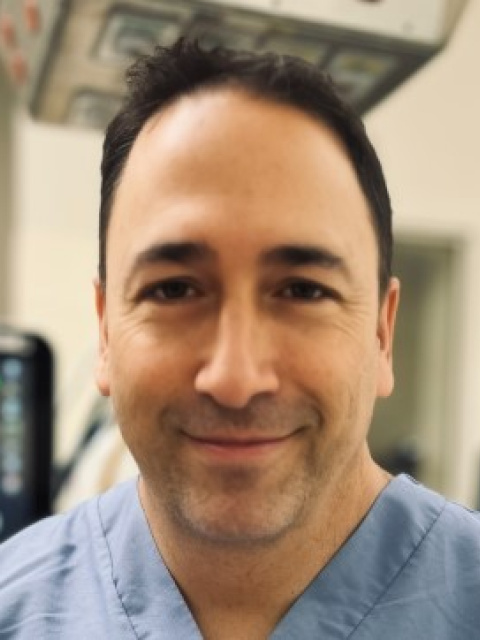
Robert Thall ha conseguito un master in anestesia presso la Case Western Reserve University nel 1998. Negli ultimi 22 anni ha lavorato nella divisione sud-ovest dell'Ohio Anesthesia Group a Middleburg Heights, in Ohio, presso il Southwest General Hospital, dove è il capo anestesista. Ha scritto e implementato diversi protocolli ERAS presso il Southwest General, tra cui i protocolli ERAS per la chirurgia articolare totale e addominale.
Robert Thall è anche il coordinatore clinico del Southwest per il programma CWRU CAA.


Questo webinar educativo è destinato agli operatori sanitari e non ai pazienti o ai consumatori. Il materiale è fornito a scopo educativo generale, come riferimento e integrazione dell'esperienza professionale, dell'istruzione e della formazione, e non deve essere considerato la fonte esclusiva per questo tipo di informazioni. Questo webinar educativo non intende raccomandare alcun dispositivo per una particolare indicazione o fornire indicazioni per l'uso di un dispositivo. In ogni momento, è responsabilità professionale dell'operatore esercitare un giudizio clinico indipendente in ogni particolare situazione. Fujifilm non si assume alcuna responsabilità per l'uso improprio delle informazioni fornite in questo webinar. Questo webinar formativo non integra, sostituisce o sostituisce l'etichettatura del dispositivo, comprese le istruzioni per l'uso, che accompagna qualsiasi prodotto FUJIFILM Sonosite.