


Bringing clinical scans to life
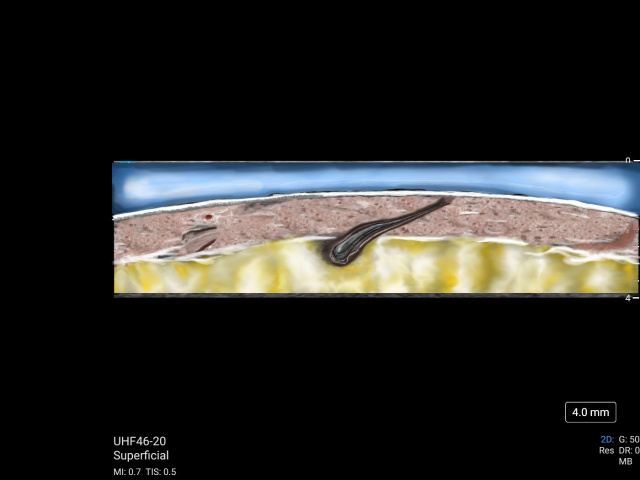
MSK Market Development Director, Daniel Shelton, shows off the capability of Sonosite UHF 46-20 with scans of a hair follicle and a vein. The scans were then illustrated to reveal details less obvious to the non-clinical eye.
Image
Image
Hair follicle on the back of a child's calf
Image
Image
Vein (small superficial branch), the cephalic on the distal 1/3 forearm …
Featured Article: Bedside Ultrasound Assessment to Detect Muscle Loss in Critically Ill Children
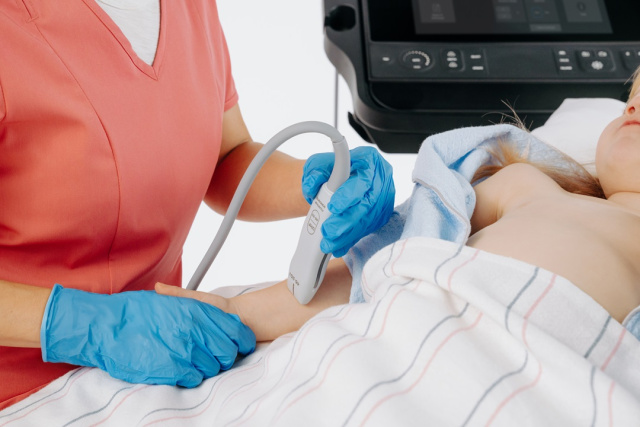
FUJFILM Sonosite's X-Porte was recently featured in a study to evaluate the feasibility and inter-rater reliability of bedside muscle ultrasonography for detecting muscle loss in critically ill paediatric patients. FUJIFILM Sonosite designs point-of-care ultrasound systems, ultrasound transducers, software, & ultrasound accessories with real-world customer needs in mind. Contact Us for more information. Read about the study here.Learn More
Featured Article: Ultrasound is both the prevention and solution for cosmetic filler-related injuries
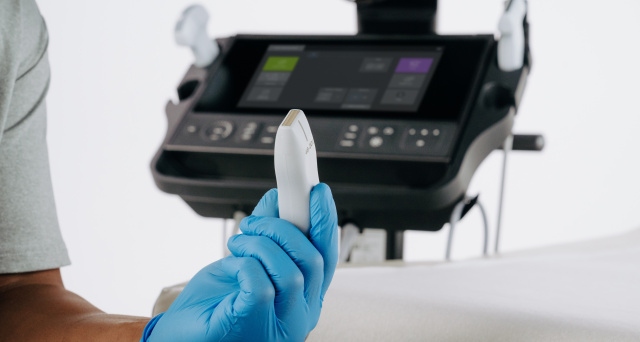
Find out how FUJIFILM Sonosite's ultrasound can be used for both the prevention and treatment of adverse events related to the injection of cosmetic fillers by reading our linked article. FUJIFILM Sonosite designs point-of-care ultrasound systems, ultrasound transducers, software, & ultrasound accessories with real-world customer needs in mind.Contact Us for more information.Read about the article here.Learn More
Sonosite UHF 46-20 Featured in ICE Magazine
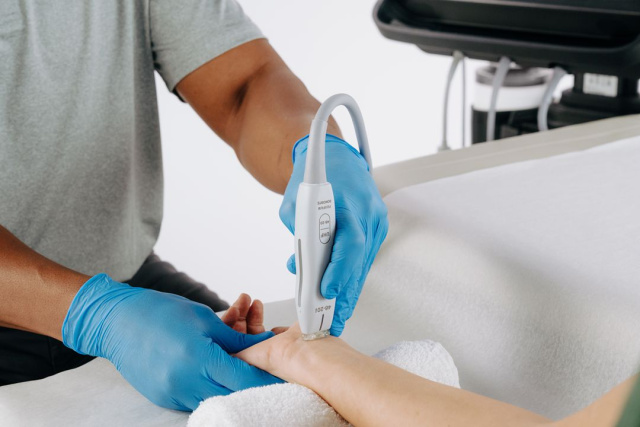
FUJIFILM Sonosite's UHF46-20 was recently featured in ICE magazine! With a minimum scan depth of 4mm, the UHF46-20 Transducer enables clinicians to clearly visualise the first one to two centimetres beneath the skin and identify structures smaller than 1mm.FUJIFILM Sonosite designs point-of-care ultrasound systems, ultrasound transducers, software, & ultrasound accessories with real-world customer needs in mind. Contact Us for more information.Read about the article here.Learn More
Featured Article: Integrating Rapid Cardiopulmonary and Gastric Ultrasound for Emergency Airway Management in Critically Ill Patients
FUJIFILM Sonosite's X-Porte was recently featured in a study on how POCUS may help with hemodynamic optimisation and customisation of management plans to the patient’s tenuous physiology to prevent cardiopulmonary collapse. FUJIFILM Sonosite designs point-of-care ultrasound systems, ultrasound transducers, software, & ultrasound accessories with real-world customer needs in mind. Contact Us for more information. Read about the study here.Learn More
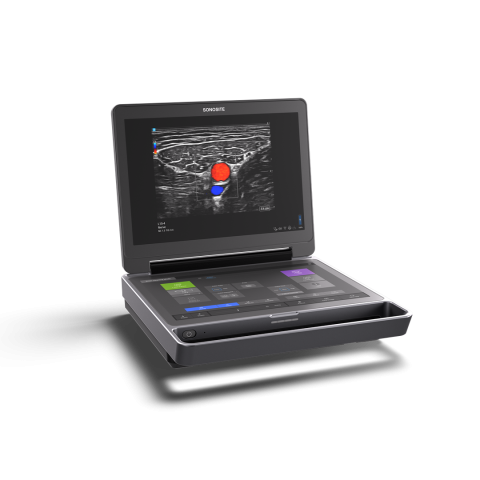
Introducing Sonosite MT: The Next-Generation Portable Ultrasound System for POCUS Users
Introducing Sonosite MT: The Next-Generation Portable Ultrasound System for POCUS UsersIf you’re a clinician relying on point-of-care ultrasound (POCUS), you know how important it is to have equipment that’s reliable, durable, and easy to use — no matter where your day takes you. That’s why FUJIFILM Sonosite has just launched Sonosite MT, our newest clamshell ultrasound system designed with these exact needs in mind.Built to Tackle Real-World Clinical ChallengesSonosite has long been committed to creating ultrasound solutions that stand up to the demands of clinical care, and Sonosite…
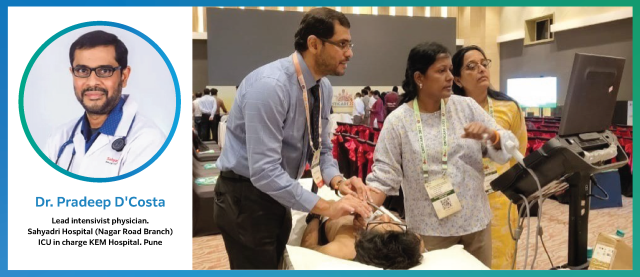
Transforming Critical Care with POCUS: Dr. Pradeep D’Costa’s Journey
Dr. Pradeep D’Costa, Senior Consultant in General Medicine and Critical Care at KEM Hospital, Pune, brings over two decades of expertise in emergency and critical care medicine. With an MBBS, DNB in Emergency Medicine, and ISCCM certification in Critical Care, Dr. D’Costa has been instrumental in adopting innovative tools to enhance patient outcomes—most notably, point-of-care ultrasound (POCUS).Since integrating ultrasound into his clinical practice in 2008, Dr. D’Costa has leveraged it as a vital extension supporting his diagnostic and therapeutic capabilities. He emphasizes the value of…
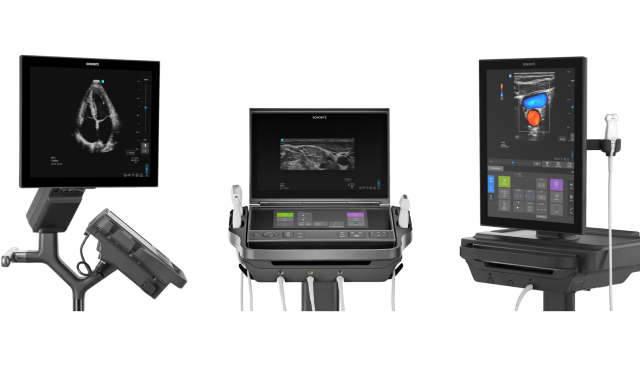
Cost of an Ultrasound System
Understanding the Cost of Owning an Ultrasound SystemPoint-of-care ultrasound (POCUS) has become an essential tool in modern medicine, but how much does owning one really cost? When considering POCUS for your practise, understanding the full picture of costs involved—from initial purchase to system maintenance—is crucial. The decision also involves several other factors, including brand reputation, age/condition of the system, training costs, and more. Let’s take a look at the various types of ultrasound machines, factors influencing their costs, and how Fujifilm Sonosite's offerings stand…
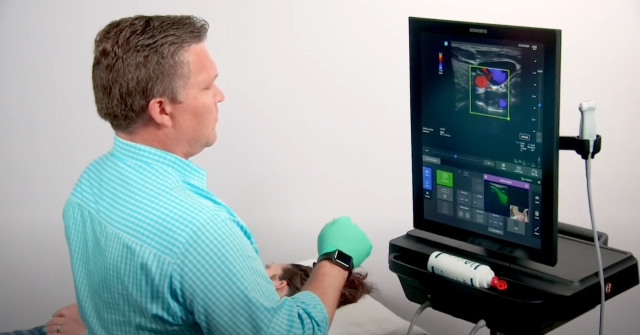
#PractiseMakesPOCUS
Clinicians often struggle with the complexities of mastering POCUS scanning techniques. It's not the tech they struggle with, it's the scanning. Discover Sonosite Scan Along - available on all our newest FUJIFILM Sonosite ultrasound systems. With over 150 onboard scan-along tutorials covering a wide range of point-of-care specialties and pathologies, you'll have expert guidance readily available.What’s Included?Step-by-step ultrasound transducer positioningInteractive, real-time scanning guidance3D anatomical referencesSonographic anatomical referencesLearn more about Sonosite Scan Along with…
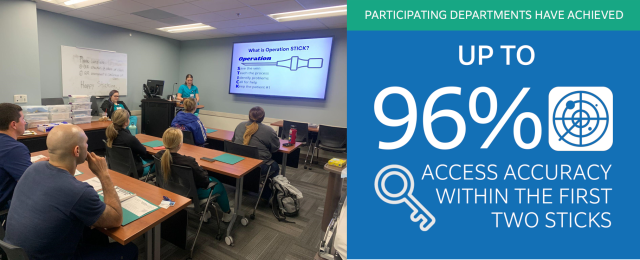
Did You Know that Sonosite has a New Vascular Access Education Partner?
Did You Know that FUJIFILM Sonosite has a new partner to provide vascular access education to our customers? With education being one of our core pillars, we strive to ensure that your department and clinicians are adequately equipped with the knowledge and training to administer care to patients using point-of-care ultrasound.Introducing Operation StickMeet our new procedural partner in Ultrasound-Guided Peripheral IV education. Operation Stick (OSTICK) is an evidence-based vascular access training programme whose stated mission is to increase competency among clinicians in ultrasound-guided…
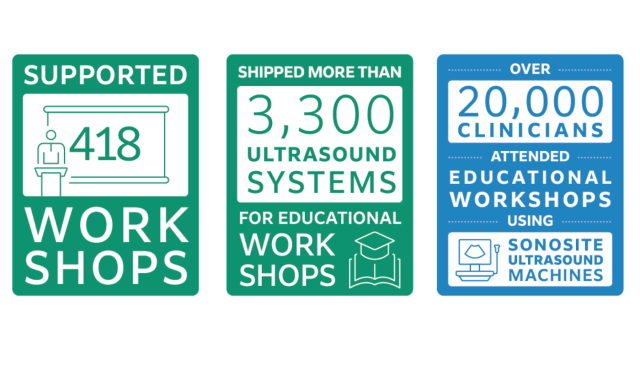
Better Patient Outcomes through POCUS Practise and Clinical Training
Training MattersPoint-of-Care Ultrasound (POCUS) empowers clinicians with real-time diagnostic capabilities and procedural practises at the patient's bedside, which can improve the speed and accuracy of patient care. Hands-on POCUS training for clinicians at educational workshops is imperative in maximizing the benefits of using ultrasound systems effectively.FUJIFILM Sonosite is dedicated to supporting POCUS training by providing organisations with loaner systems that are used to train physicians and clinicians at educational workshops. Over the last two decades, Sonosite has cultivated its…

Designed for Durability: The Rigorous Testing Process of Sonosite Transducers
Introduction: Setting the Bar HighIn Point-of-Care-Ultrasound, the durability of equipment is paramount. Without quality systems that are ready to use, the immediacy of patient care can be negatively impacted. To ensure reliability and up-time, Sonosite transducers are tested to the limit. This process consists of extensive testing protocols that go beyond industry norms.Beyond Flexibility: The Sonosite Flex and Twist TestAt Sonosite, we demand more of our transducers. Our testing bends, flexes, and twists transducer cabling over 50,000 cycles to represent typical clinical usage over 5 years.…
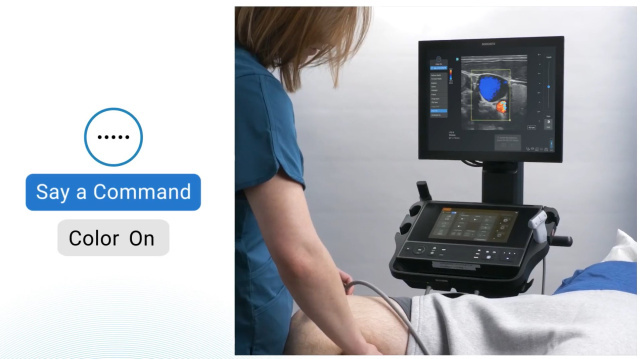
Empowering Healthcare Providers with Sonosite's Voice Assist
In today's healthcare landscape, institutions face a daunting challenge: maintaining high-quality patient care, often with limited staffing. This is particularly critical in sterile environments, where precision and focus are paramount. Recognising this need, FUJIFILM Sonosite has introduced Voice Assist, an innovative new feature for Sonosite LX and Sonosite PX ultrasound systems designed to allow providers access to critical commands of their system, even while across the bed in a sterile or clean procedure.The Power of Voice ControlVoice Assist transforms the ease-of-use of Sonosite PX and…
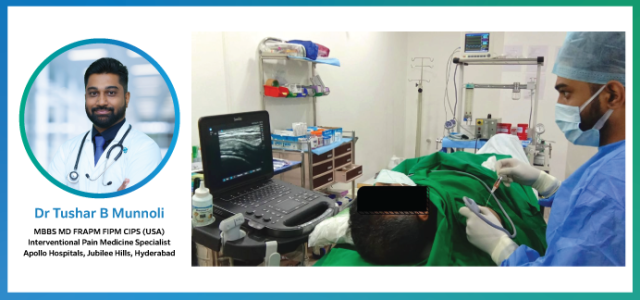
POCUS Profile: Dr. Tushar B Munnoli
We recently interacted with Dr. Tushar B. Munnoli who is a renowned Interventional Pain Medicine specialist currently practicing at Apollo Hospitals, Jubilee Hills, Hyderabad. After his post-graduation in Anesthesia, Dr. Munnoli pursued a postdoctoral fellowship in Regional Anesthesia and Acute Pain Management. He holds a diploma in Musculoskeletal ultrasound and is a certified Interventional Pain Sonologist (CIPS) from the World Institute of Pain (USA).
Dr. Munnoli has been using point-of-care ultrasound (POCUS) for the past 7 years and currently employs the Sonosite SII as well as Sonosite…
Joining the Mission with the Friends of Fiji Heart Foundation
The Mission
Since the formation of the Friends of Fiji Heart Foundation (FOFHF) in 2006, the Foundation has sent a mission to Fiji for each successive year to provide FREE cardiac surgery to the underprivileged people of Fiji. Over the years the Foundation’s focus has expanded to include open heart surgery, pacemaker checks and implants, angiography, stenting, etc. Since 2006, treatments worth over NZ$10m have been performed with ZERO administrative costs.
The mission involves sending a volunteer team of over 55 doctors, technicians and nurses who give up to 3 weeks of their time to provide…

Ryan Hebbler
FUJIFIILM Sonosite employees are passionate about many things, helping people is at the top of the list. As is the case for Ryan Hebbler, our Director of Strategic Accounts, which means helping customers, colleagues, clinicians, and everyone else he deals with. He's passionate about ultrasound, and it shows.
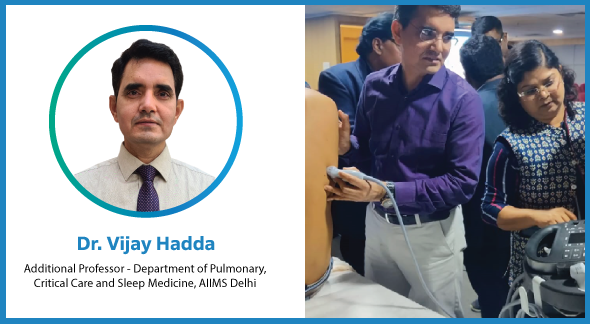
POCUS Profile: Dr Vijay Hadda
.
We recently interacted with Dr. Vijay Hadda, who is the Additional Professor for the department of Pulmonary, Critical Care and Sleep Medicine at renowned All India Institute of Medical Sciences (AIIMS), New Delhi. He completed his medicine degree from AIIMS, Delhi in 2005 and is an eminent personality in the field of pulmonary medicine in India. Dr Hadda is quite passionate about point-of-care ultrasound (POCUS) technology and has been utilizing it in his routine clinical practice for 15 years.
According to Dr. Hadda, POCUS is vital…

Carena Holmes
Carena Holmes, senior systems engineer sees the big picture and the details. She is always thinking about how to improve our systems and how teams can work more harmoniously. When asked about her favourite project, she replies with a secretive smile, but that just goes to show how interesting the work she's doing is. She's a creative thinker and a passionate advocate for her work. And like most Sonositers, she's also passionate about her music. Check out her top 5 all-time favourite songs here:
I Wanna Dance with Somebody – Whitney Houston
Humble- Kendrick Lamar
Kiss- Prince and the…

Keith Williams
Keith Williams, Executive Director of Programme Management at FUJIFILM Sonosite, is celebrating his 25th anniversary with the company. When asked what keeps him coming back, Williams said, "It's the people. I get to work with some phenomenally talented and passionate people who are dedicated to making a difference in the world. And the products we make have a really important role to play in that." In addition to his work at FUJIFILM Sonosite, Williams is also a passionate music fan. He shared his top 5 songs of all time with, which you can enjoy below.
David Bowie - Heroes (Live Aid, 1985…
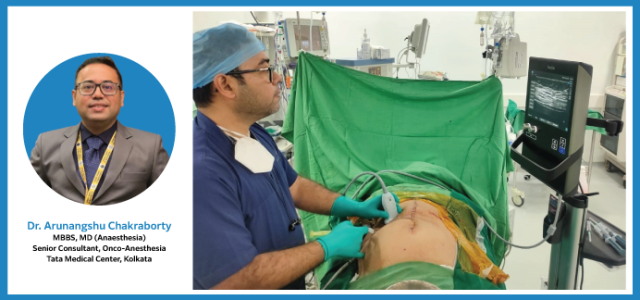
POCUS Profile: Dr. Arunangshu Chakraborty
-
We recently interacted with Dr. Arunangshu Chakraborty, who is a senior consultant at the department of onco-anesthesia, TATA Medical Centre (400+ bedded cancer hospital & research center in Kolkata, West Bengal), to learn about his journey with point-of-care ultrasound.
Dr. Chakraborty is a medical graduate from NRS medical college, Kolkata and postgraduate in Anesthesiology from Motilal Nehru medical college, Allahabad, India. He pursued his clinical fellowship from NUH Singapore in year 2012 and has been practicing ultrasound guided…