


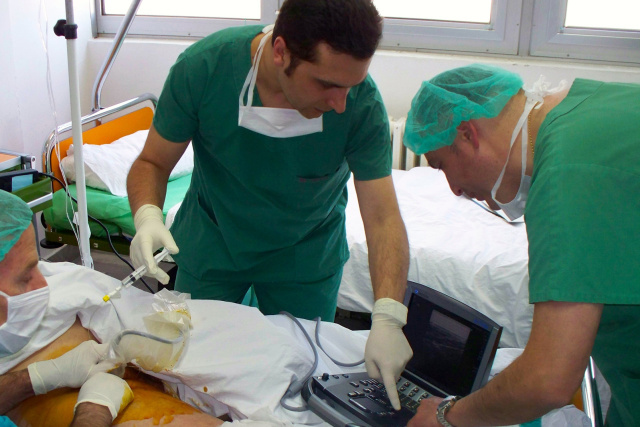
Global Health Experience, Macedonia
[243]
At Sonosite we are very fortunate to know a large group of doctors and care workers who are invested in global public health. Those rare people that go to remote locations to treat patients and train the local healthcare workers rely on Sonosite to provide them with the ultrasound equipment necessary. Through charities, they are often able to provide ultrasound equipment to be left at the location and used by the newly trained staff. One of these individuals is Dr Randall Malchow who wrote this summary of his experience in Macedonia:
Dr Randall Malchow’s Experience in…
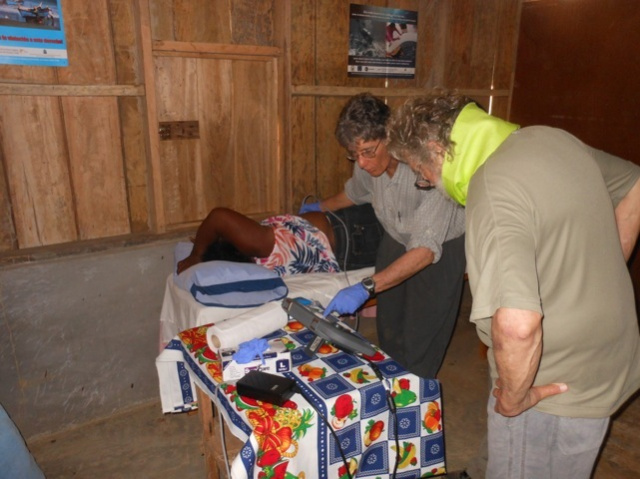
Global Health: Dr. Wes Wallace - La Moskitia, Honduras
[245]
La Mosquitia has the largest wilderness area in Central America, consisting of mangrove swamps, lagoons, rivers, savannas and tropical rain forests. Manatees, tapirs and jaguars all still thrive here – they have learnt to be circumspect around man, and they may not be easy to spot. Crocodiles can be seen in the waters.
Access to healthcare is made difficult due to geographic make-up of the region. There are few healthcare structures in existence, and those that do exist are often deprived of a doctor, medical equipment and pharmaceuticals. By virtue of geography and socio…
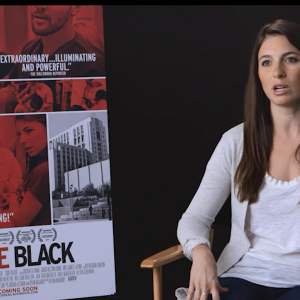
Sonosite interviews Dr. Clare Roepke for the Code Black movie release
[202]
Meet Dr. Clare Roepke from Code Black Movie
Dr. Clare Roepke is a third year emergency medicine resident at LA County USC Medical Center. She will take over as Education Chief and complete her final year of training in 2015.
"...that raw emotion, that intensity, and that kind of care on a real firsthand, real basis with patients... It drew me in."
Dr. Clare Roepke shares with Sonosite her experience with Ryan McGarry, producer of Code Black movie, who was also her mentor and a senior in her residency. He was to her "a teacher, and a role model". She thus has an intimate look…
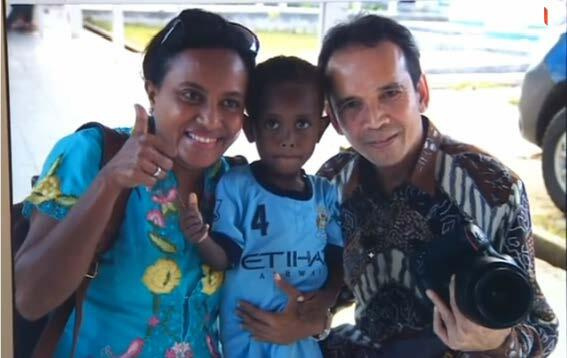
Global Health: Kiwi Doctors use ultrasound to help save boy in rural Indonesia
[246]
Returning to try and save Thomas: A 5 year old boy in the final stages of heart failure in Indonesia.
To watch the news video report click here: http://tvnz.co.nz/seven-sharp/he-could-walk-indonesian-child-s-miracle-turnaround-after-kiwi-doctors-intervene-video-6309161
Dr Tom Mulholland is the Senior Medical Officer, Department of Emergency Medicine, Auckland City Hospital. He is also an Honorary Lecturer in Psychological Medicine, University of Auckland
Taken from the mission page of www.drtomonamission.com
Dr Caroline Meadows and I are…
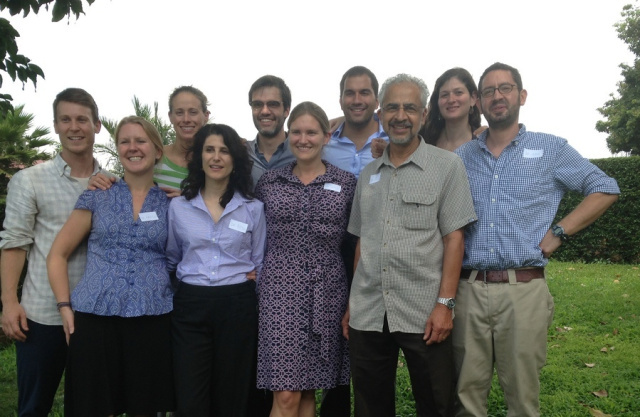
Sonosite supports PURE in Uganda
[223]
PURE – Point-of-care Ultrasound in Resource-limited Environments:
PURE is a 501(c)3 non-profit organization comprised of medical professionals and others dedicated to enhancing ultrasound education and use in the developing world.
As one of our global initiatives, Sonosite is proud to support PURE with M-Turbo equipment. Its portability and resilience make it a perfect solution when travelling to resource-limited environments.
With such remote locations as Rwanda, Kenya, and Uganda, PURE has been able to provide ultrasound training for more than 150 clinicians over the last…
How Sonosite is Helping to Fight Ebola
[224]
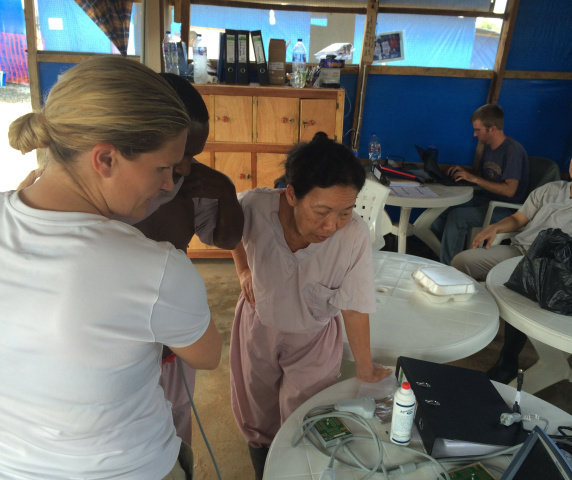
Dr. Trish Henwood
From ground zero of the Ebola outbreak – Dr.Trish Henwood is on a medical mission to better understand the pathophysiology of the disease and her Sonosite ultrasound has already been proven invaluable. It is pioneer physicians like Trish that will allow the global medical community to get a grasp on this devastating illness and with our support she is actually making that happen.
Yippie; my machine arrived
We received a wonderful letter from Trish today telling us about some of the work she has been doing in Liberia:
Not surprisingly, in just a brief period of use,…
Global Health: Teaching Ultrasound in El Salvador
[4362]
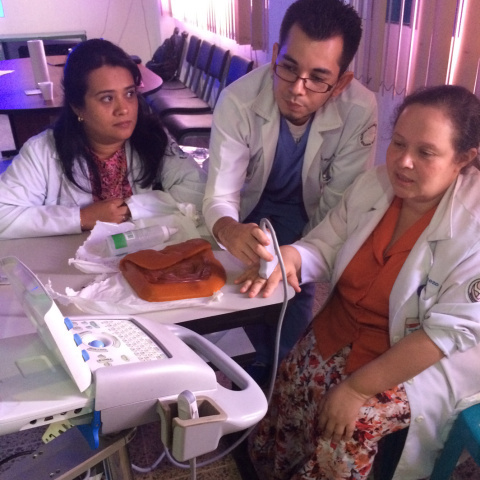
It is sometimes easy to forget how privileged we are to have access to modern conveniences, healthcare technologies and services. Fortunately, at Sonosite, we enjoy supporting many adventurous care providers who share their skills in resource limited countries. One such Doctor is Dr Jennifer Chao. Upon her return from El Salvador we received this informative email:
On May 19 and 20th, twenty-one physicians in El Salvador participated in a 2 day paediatric bedside ultrasound course at Benjamin Bloom Children's Hospital in San Salvador, El Salvador. This is the fourth time that such a course…
Global Health: Teaching ultrasound in Malawi - Dr Bergman
[4364]
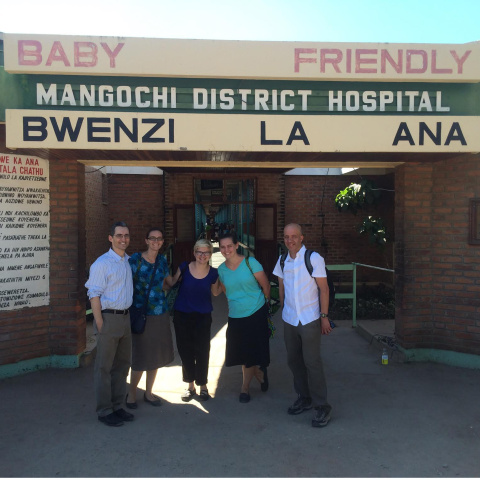
Global Health is more than providing medical care in resource limited countries. To create sustainable global health, four physicians from Contra Costa Family Medicine residency traveled to Malawi to do an ultrasound training for Malawian clinicians. They were kind enough to send us lots of photos and the following summary:
For the past five years, Contra Costa has taught a comprehensive point-of-care ultrasound course for its Family Medicine residents. While these skills have become quite useful in the hospital and the clinic in the US, their ultrasound skills have become particularly…
Ultrasound Guidance Enables More Difficult Peripheral Vein Access
[15626]
This Philly.com story on the advantages of ultrasound needle guidance and Thomas Jefferson University Hospital's findings is not only informative but is written in a particularly engageing style accessible to a wide readership. An informed public goes a long way in helping to reinforce the value of clinical ultrasound's multiple benefits.Here is an excerpt from the article by Philadelphia Inquirer staff writer Stacey Burling:. . . An emergency physician at George Washington University Hospital found that use of central lines, the fallback when the staff can't connect to a peripheral vein,…
Astronaut Buzz Aldrin Takes "One Small Step for Scan..."
[15624]
Ultrasound researcher and Henry Ford Hospital physician Scott Dulchavsky, MD, PhD, was recently inducted into the National Space Technology Hall of Fame for techniques his team developed to empower point-of-care ultrasound. He is working with Sonosite to modify ultrasound training methods developed for the space programme for point-of-care applications on Earth.In this photo, he is using a Sonosite S-MSK to demonstrate the technology to Astronaut Buzz Aldrin. Dr. Aldrin [who holds a doctorate of science in astronautics from MIT] commented that ultrasound would be promising on future space…
Memorial Hermann
[15616]
A Success StorySee why Memorial Hermann's physicians prefer driving with total vision, then find out how we can help
From Sceptic to Believer
[15628]
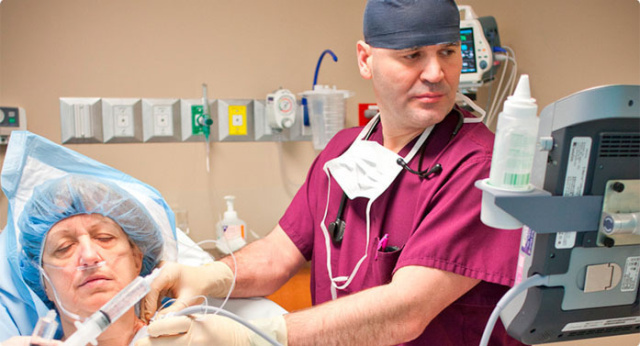
Growing AwarenessWhen Dr. Bryan Matusic first started practicing, the block and neurostimulator alone were considered best practise and block success rates of 85% were the accepted norm. "I was using just my own senses and the stimulator," he says. "Even if I had a 10%-15% failure rate, I was still doing better than most."However, when he became a regional anaesthesiologist in 2010 and began performing orthopaedic nerve blocks exclusively at the Advanced Surgical Hospital, he recognised that even a 10% failure rate would be unacceptable. "We can't afford as many block failures here because we…
Dr. Jeff Gonzales' Story
[15630]
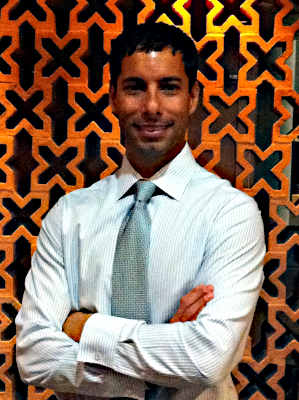
Catching a bus shouldn't be life-threatening. But for one 23-year-old woman, running for the bus could have cost her everything.After rushing to hop on board, she fell unconscious, leaving her arm outstretched beyond the door. Not knowing this, the driver closed the door and drove to the next stop, about two-tenths of a mile away.The passenger was shocked awake by her AICD, which she wore because of a history of hypertrophic obstructive cardiomyopathy. As she regained consciousness, she realised her forearm was still outside of the bus.In the emergency department, the doctors quickly…