


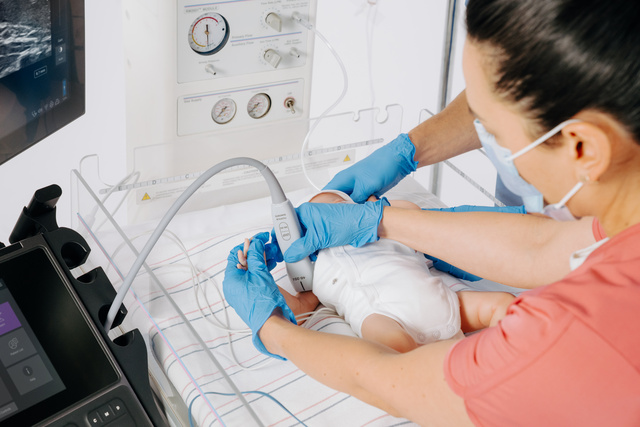
A scoping review: Point-of-care ultrasound (POCUS) use in paediatric ECMO
Point-of-care ultrasound (POCUS) has emerged as a valuable clinical assessment tool in paediatric intensive care (PIC) as benefits are increasingly recognised in the litreature. Ultrasound performed by bedside clinicians has long been used to assist with central venous access but is now routinely used in practise to assess lung, brain, heart and abdominal pathologies.This scoping review aimed to examine current litreature on the use of point-of-care ultrasound (POCUS) in paediatric patients supported by extracorporeal membrane oxygenation (ECMO). It assessed existing evidence, summarised key…
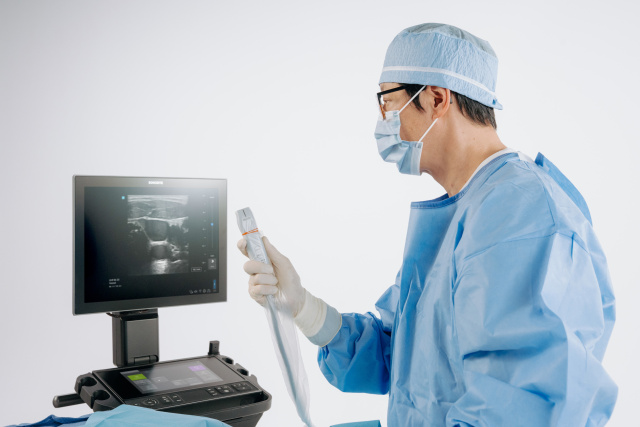
Ultra-high frequency ultrasound of labial salivary glands in Sjögren’s disease: diagnostic accuracy and patient stratification
UHFUS of LSGs is a promising diagnostic tool in SjD when biopsy is not feasible. This study provides novel insights into GS lesions, Doppler assessment, phenotypes and age-related changes of ultrasound.This study demonstrates the diagnostic value of labial salivary gland (LSG) ultrasound using ultra-high frequency probe, identifies very hypoechoic areas as a specific Grey Scale (GS) lesion for SjD, shows the added diagnostic contribution of Doppler assessment in combination with GS scoring, may identify distinct phenotypes associated with ultrasonographic positivity and negativity in both…
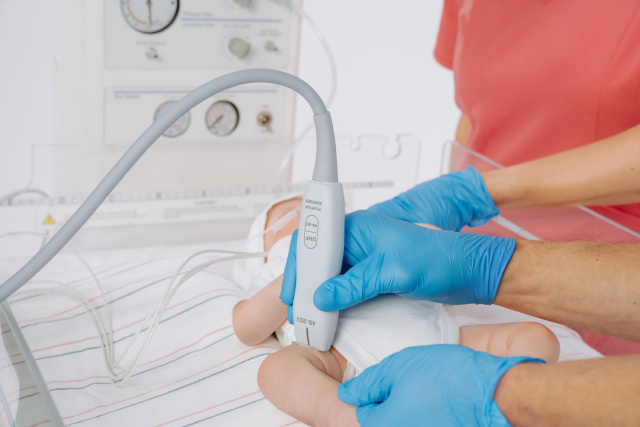
Bedside ultrasound imaging to measure muscle cross-sectional area in preterm and term infants: a feasibility study
Sonosite PX was used in a study to measure muscle cross-sectional area in preterm and term infants. Lean body mass is linked to improved outcomes, but infant muscle-specific tools are limited. Bedside ultrasound measurements of muscle cross-sectional area (CSA) may overcome these limitations.This prospective observational cohort study was approved by the Seattle Children’s Hospital and University of Washington Institutional Review Boards. Informed consent was obtained from the infant’s parent prior to participation in the study. The primary outcome of this study was the biceps muscle cross…
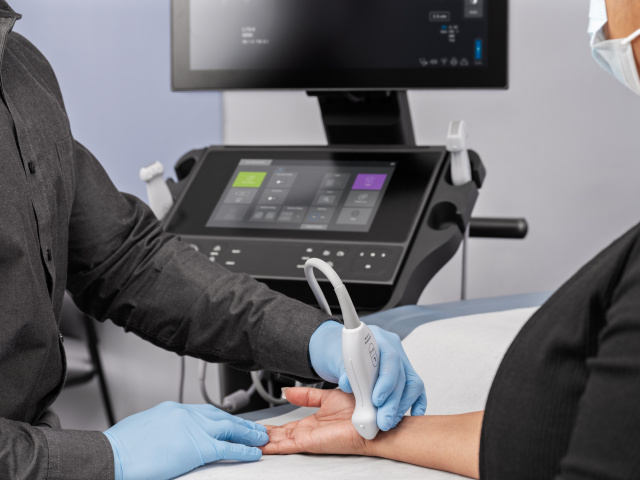
Featured Article: Ultrasound-guided, open carpal tunnel release both provide safe, effective symptom relief
Victor M. Marwin, MD, MBA and colleagues prospectively collected data from patients with carpal tunnel syndrome enroled in the MISSION registry, the largest ever multicentre carpal tunnel release study in the United States. MISSION enroled more than 1,400 patients treated with carpal tunnel release using three techniques. This publication used propensity score matching to identify similar patients between groups, yielding 178 patients who underwent either ultrasound-guided or open carpal tunnel release. Outcomes collected included Boston Carpal Tunnel Questionnaire Symptom Severity and…
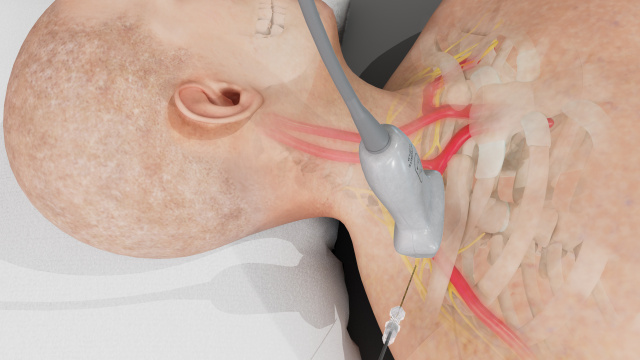
Predicting the Success of Ultrasound-Guided Supraclavicular Brachial Plexus Block Using Pulse Oximeter Perfusion Index
Sonosite M-Turbo was recently used in a study to evaluate the utility of pulse oximeter-derived PI in predicting the success of ultrasound-guided supraclavicular brachial plexus block.Early and objective assessment of peripheral nerve block success remains a clinical challenge despite the widespread use of ultrasound guidance. The perfusion index (PI), derived from pulse oximetry, reflects changes in peripheral blood flow following sympathetic blockade and may serve as an early indicator of block success.FUJIFILM Sonosite designs point-of-care ultrasound systems, ultrasound transducers,…
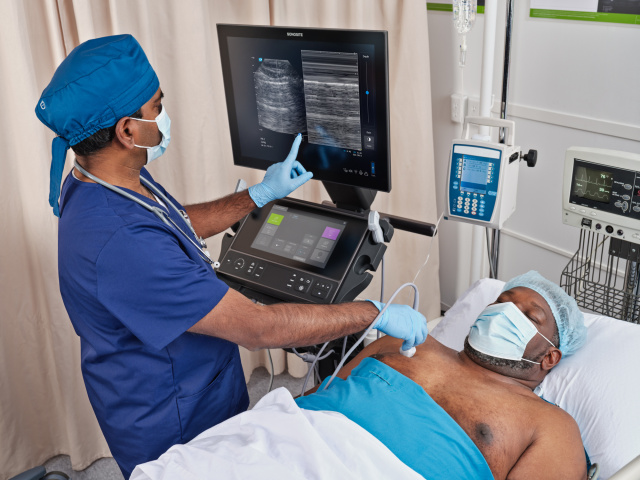
Effectiveness of adding inspiratory muscle training to a cardiac rehabilitation programme in people with acute myocardial infarction revascularized by percutaneous coronary intervention (CARDIOINSPIRE): Study protocol for a randomised controlled trial
FUJFILM Sonosite SII was used in a study to analyse the effectiveness of adding inspiratory muscle training (IMT) to a cardiac rehabilitation programme (CRP) in people with acute myocardial infarction (AMI) revascularized by percutaneous coronary intervention (PCI) after 16 sessions.72 patients diagnosed with AMI will be enroled and randomly assigned to two groups. The control group will complete the usual CRP with the addition of IMT at 5% of the maximal inspiratory pressure (MIP) (sham load). The intervention group will perform the same CRP but will add an IMT programme at 70% of MIP.…
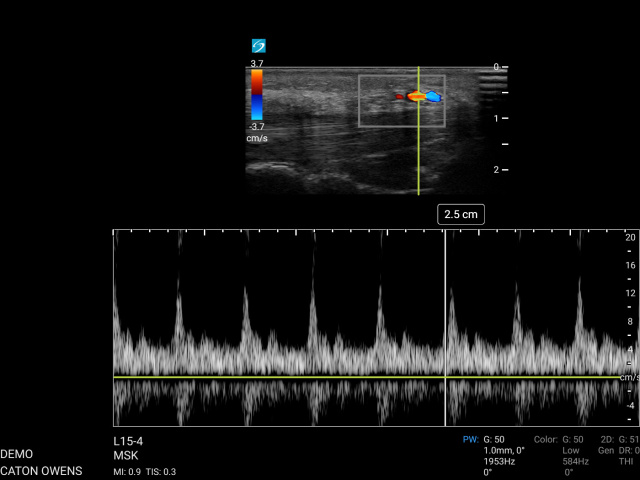
Association Between Preoperative Palmar Arch Velocity on Duplex Ultrasonography and Ischemic Hand Symptoms After Radial Artery Harvest
Duplex ultrasonography is often used to assess radial artery suitability for coronary artery bypass grafting, but clear guidelines for its usage are lacking. The incidence of ischemic hand symptoms after endoscopic radial artery harvest for coronary artery bypass grafting is very low. In a cohort of 584 patients, only 5.8% experienced minor symptoms, and no severe ischemic events requiring intervention occurred. Preoperative palmar arch flow reversal velocity, as measured by duplex ultrasonography, does not predict postoperative ischemic symptoms. Therefore, low or marginal flow rates should…
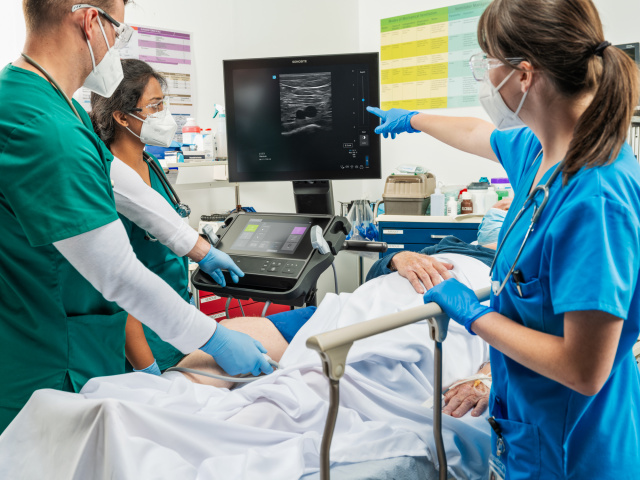
Why Point-of-Care Ultrasound Is Transforming Contemporary Medical Practise
Point-of-care ultrasound redefines diagnostic protocols in clinical settings Point-of-care ultrasound, a structural shift in medical decision-making Healthcare is evolving toward more dynamic models, where diagnostic speed and the ability to act immediately are decisive. In this context, point-of-care ultrasound has established itself as a key tool for improving clinical decision-making directly at the patient’s side. This approach, known as POCUS (Point-of-Care Ultrasound), involves bringing the ultrasound system to the patient—whether in emergency medicine, anaesthesia, critical…
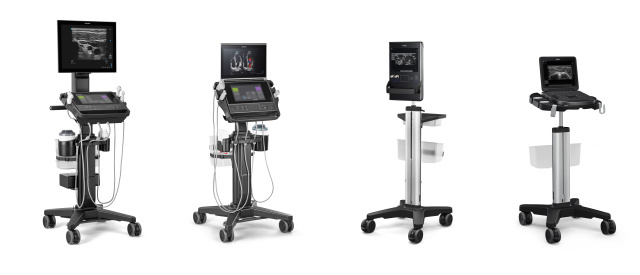
Featured Article: Pre-anaesthetic Ultrasonography of the Subclavian Vein and Inferior Vena Cava for Predicting Hypotension After General Anaesthesia Induction in Patients Undergoing Abdominopelvic Surgeries: A Prospective Observational Study
FUJIFILM Sonosite's Edge II was recently used in a study aimed at evaluating and comparing the diagnostic accuracy of preoperative ultrasonography (USG) measurement of the inferior vena cava (IVC) and subclavian vein (SCV) for predicting PIH following induction of general anaesthesia (GA) in patients undergoing abdominopelvic surgeries.Post-induction hypotension (PIH) jeopardises vital organ perfusion and is associated with perioperative morbidity and mortality. This study aimed to evaluate and compare the diagnostic accuracy of preoperative ultrasonography (USG) measurement of the inferior…
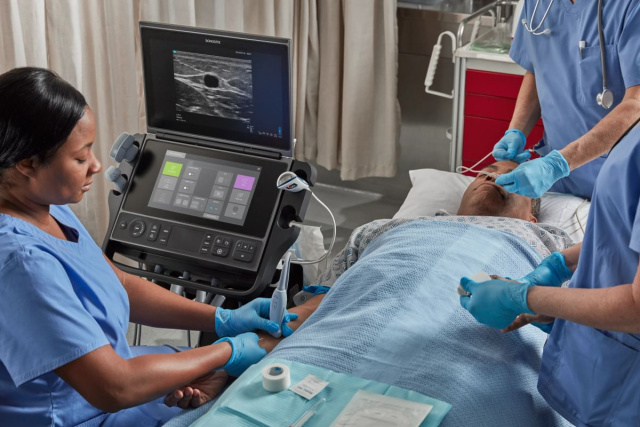
Featured Article: Study suggests clinical and financial advantages for providing POCUS in urgent care
A recent study suggested that POCUS in established emergency departments can not only be clinically appropriate, but have financial advantages in urgent care.FUJIFILM Sonosite designs point-of-care ultrasound systems, ultrasound transducers, software, & ultrasound accessories with real-world customer needs in mind.Contact Us for more information. Read the studyView Now
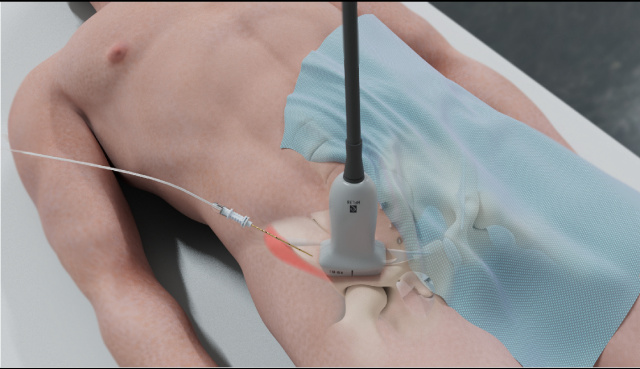
Featured Article: Efficacy and Safety of Dexmedetomidine as an Adjuvant to Bupivacaine in Ultrasound-Guided Pericapsular Nerve Group (PENG) Block for Proximal Femoral Fractures: A Randomised, Single-Centre Controlled Trial
FUJIFILM Sonosite Edge II was recently used in a study to compare whether adding dexmedetomidine to bupivacaine in the pericapsular nerve group (PENG) block resulted in prolonged duration of analgesia with ease of positioning for spinal anaesthesia in proximal femur fractures without adverse effects. Hip fractures are emerging as a major global health problem, with an estimated 1.6 million cases occurring worldwide annually. Proximal femur fractures include fractures involving the neck of femur, pertrochanteric and subtrochanteric regions. These fractures are associated with delayed…
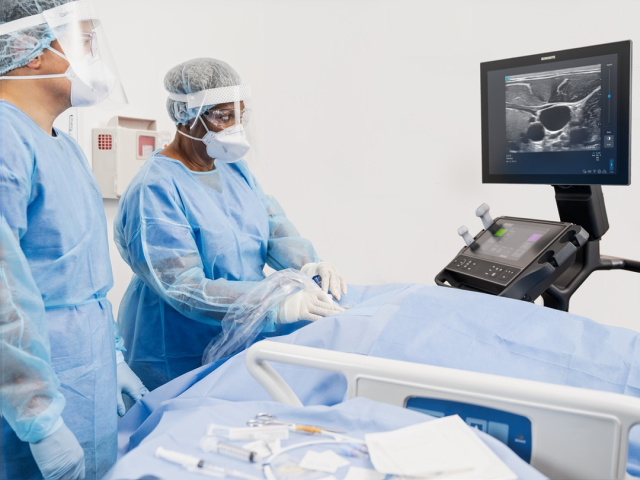
Featured Article: A Randomised Exploratory Study Comparing the Success Rate of Ultrasound Guided Central Venous Catheterization With a Curved Tip Needle Versus a Conventional Straight Needle in Adult Patients
FUJFILM Sonosite's Edge II was recently used in a randomised exploratory study on adult patients that evaluates whether a curved-tip needle, conceptually designed for use in smaller veins, performs at least as well as a standard needle in internal jugular vein (IJV) cannulation. Click on the link below to find out more.Find out how FUJIFILM Sonosite voice assist can also help you with your next central venous catheterization placement.FUJIFILM Sonosite designs point-of-care ultrasound systems, ultrasound transducers, software, & ultrasound accessories with real-world customer needs in…
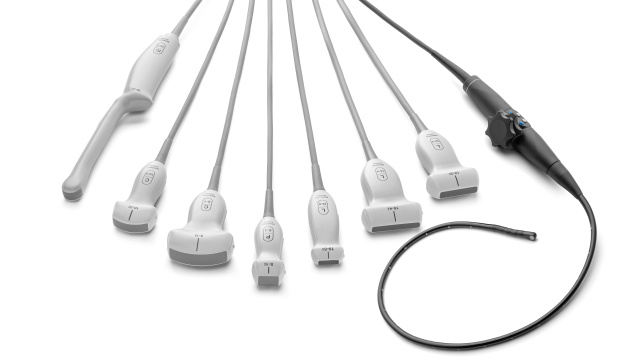
Ultrasound Transducers FAQ
Answers to Common Questions About Ultrasound Transducers (Ultrasound Probes)Whether you call them ultrasound transducers or ultrasound probes, these precision instruments are the foundation of every ultrasound exam. Below, FUJIFILM Sonosite answers the most frequently asked questions about how ultrasound transducers work, how to select the right one, and how to keep them performing reliably in demanding point-of-care environments.Ultrasound “Transducer” or Ultrasound “Probe”—Which Term Is Correct?Both are correct.The term transducer describes the device’s scientific function—it transduces one…
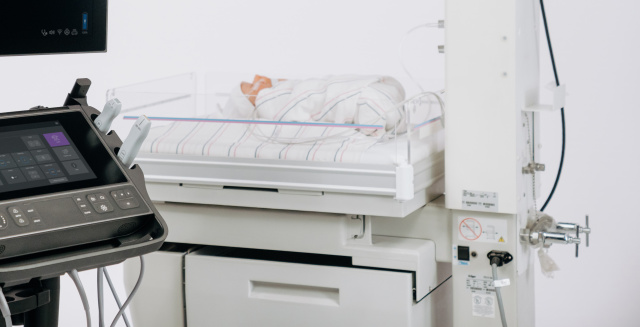
Featured Article: The effect of postnatal steroids on lung ultrasound scores and extubation readiness in very low birth weight infants
FUJIFILM Sonosite's X-Porte was recently used in a study to assess the utility of lung ultrasound scores (LUSs) to predict extubation readiness in VLBW infants and determined the effect of postnatal steroids on LUSs in babies who were chronically ventilated for > 30 days. More recently, point-of-care lung ultrasound (LUS) in the neonatal intensive care unit has been validated as a straightforward and quick evaluation of lung aeration and oxygenation in neonates. Lung ultrasound quantifies the air/fluid ratio in the lung on a region-by-region basis, and has been validated against multiple…

Featured Article: Ultrasound-guided semispinalis obliquus plane block for posterior upper cervical spine surgery
FUJIFILM Sonosite's transducers were recently used in a featured study on the semispinalis obliquus plane block. The ultrasound-guided semispinalis obliquus plane block offers a safe, simple, and reproducible technique for multi-segmental dorsal rami analgesia in posterior upper cervical spine surgeries, reducing opioid requirements and improving postoperative comfort.FUJIFILM Sonosite designs point-of-care ultrasound systems, ultrasound transducers, software, & ultrasound accessories with real-world customer needs in mind. Contact Us for more information. Read about the study here…

Rich Fabian Named Chair of AdvaMed Medical Imaging Division Board
We’re excited to announce that Rich Fabian, president and CEO of FUJIFILM Sonosite, has been appointed chair of the Medical Imaging division board of directors at AdvaMed, the leading Medtech Association. Rich succeeds David Pacitti, CEO of Avanos Medical, who served as the inaugural chair.Scott Whitaker, AdvaMed president and CEO, praised Rich’s leadership, noting, “Rich is a highly effective and passionate advocate for medtech... We look forward to continuing to work alongside Rich to ensure that AI and other innovations in medical imaging accelerate our member companies’ ability to deliver…
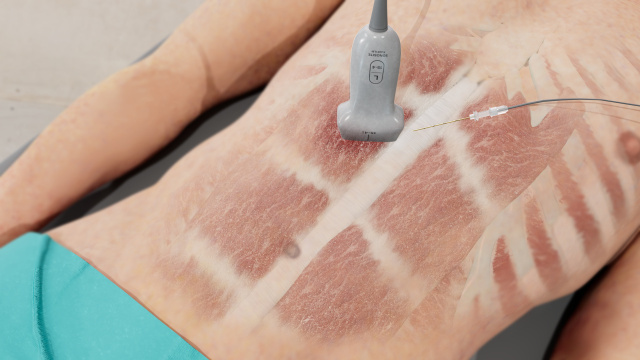
Clinical Evaluation of Rectus Sheath Block Versus Local Anaesthetic Infiltration in Laparoscopic Inguinal Hernia Repair: A Retrospective Comparative Study
Find out how ultrasound-guided rectus sheath block can be an effective, safe, and opioid-sparing regional technique for adult laparoscopic hernia repair by clicking on the link below.Find out how you can perform a rectus sheath block here.FUJIFILM Sonosite designs point-of-care ultrasound systems, ultrasound transducers, software, & ultrasound accessories with real-world customer needs in mind.Contact Us for more information. Read the studyView Now
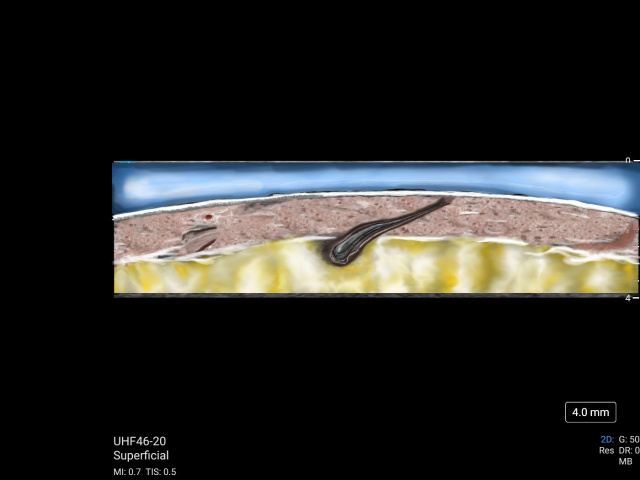
Bringing clinical scans to life
MSK Market Development Director, Daniel Shelton, shows off the capability of Sonosite UHF 46-20 with scans of a hair follicle and a vein. The scans were then illustrated to reveal details less obvious to the non-clinical eye.
Image
Image
Hair follicle on the back of a child's calf
Image
Image
Vein (small superficial branch), the cephalic on the distal 1/3 forearm …
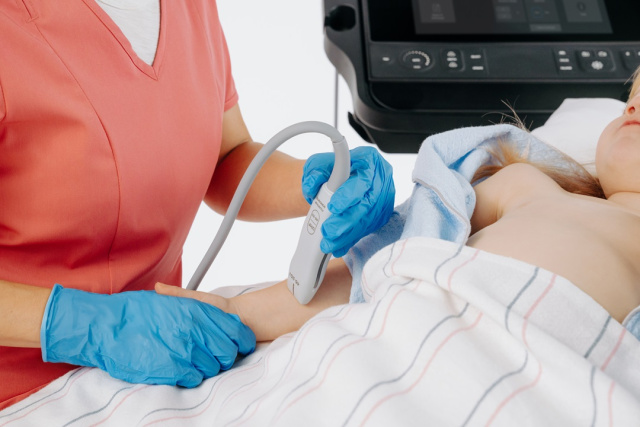
Featured Article: Bedside Ultrasound Assessment to Detect Muscle Loss in Critically Ill Children
FUJFILM Sonosite's X-Porte was recently featured in a study to evaluate the feasibility and inter-rater reliability of bedside muscle ultrasonography for detecting muscle loss in critically ill paediatric patients. FUJIFILM Sonosite designs point-of-care ultrasound systems, ultrasound transducers, software, & ultrasound accessories with real-world customer needs in mind. Contact Us for more information. Read about the study here.Learn More
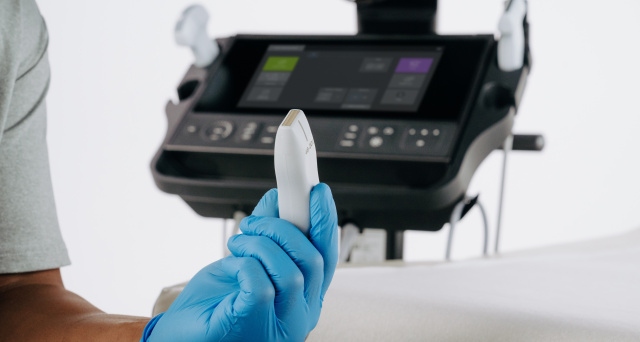
Featured Article: Ultrasound is both the prevention and solution for cosmetic filler-related injuries
Find out how FUJIFILM Sonosite's ultrasound can be used for both the prevention and treatment of adverse events related to the injection of cosmetic fillers by reading our linked article. FUJIFILM Sonosite designs point-of-care ultrasound systems, ultrasound transducers, software, & ultrasound accessories with real-world customer needs in mind.Contact Us for more information.Read about the article here.Learn More