


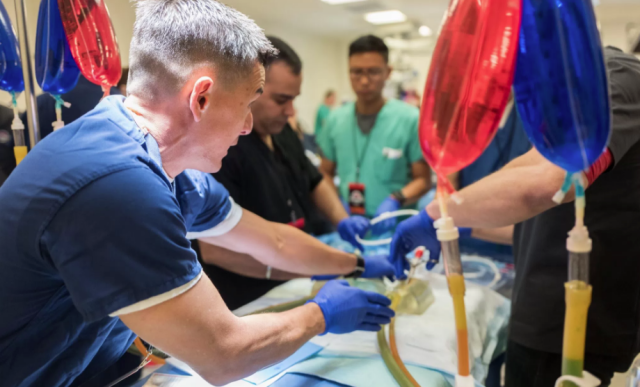
Supporting REBOA with POCUS
[11072]
Resuscitative Endovascular Balloon Occlusion of the Aorta (REBOA) is an emergency technique for temporarily blocking the blood flow to the lower body in the event of subdiaphragmatic internal bleeding.A guidewire and balloon-like device are inserted into the aorta via the femoral artery and, as it inflates, the balloon blocks the aorta, reducing blood flow to the injured sites but maintaining it to vital organs such as the heart and brain. Point-of-care ultrasound (POCUS) can be used to guide and verify the position of the guidewire and balloon during the procedure, and is a preferred…
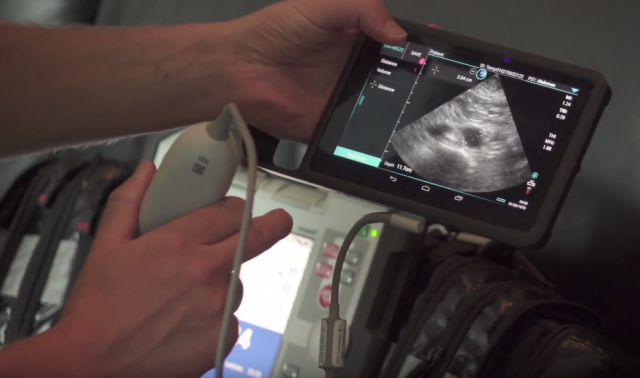
POCUS in Pre-hospital Settings: Rotterdam, The Netherlands
[9060]
Time is of the essence in an emergency situation, and may be the difference between life and death. Ambulance crews on the front line must decide rapidly whether or not a patient is suffering from a life-threatening condition requiring specialist treatment, and point-of-care ultrasound can provide vital guidance. Geert-Jan Deddens, a nurse practitioner in emergency care with the Rotterdam Ambulance Service, describes the benefits of using hand-carried ultrasound systems to assess suspected abdominal aortic aneurysms, allowing patients to be taken to the most appropriate hospital…
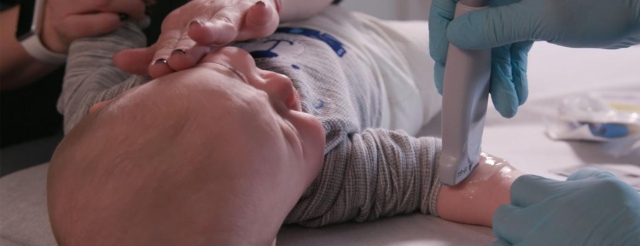
Ultrasound Guidelines for Paediatric Vascular Access
[8716]
More than five million central venous catheter (CVC) lines are placed in hospitals each year, making it one of the most common invasive emergency room procedures. Although NICE guidelines for ultrasound-guided placement of central venous lines in adults and children were first issued in the UK in October 2002, Dr. James Bennett, Consultant Anaesthetist at Birmingham Children's Hospital, describes how the debate has since moved on from whether ultrasound should be used for vascular access, to what other information and safety assurances it can provide, especially in paediatrics.…

POCUS Support for Professional Spanish Athletes
[8746]
Point-of-care ultrasound (POCUS) is an essential everyday tool in sports medicine at the Clinica Ivre in Valencia, Spain. Trauma specialist Dr. Miguel Ángel Buil-Bellver describes how ultrasound examination of the musculo-skeletal system has made diagnosing injuries easier and quicker, informing treatment decisions and help-ing athletes to return to their sports sooner.The Clinica Ivre opened 10 years ago in Valencia and offers a full range of sports medical services for professional and amateur athletes, including the Valencia Paralympic Committee, the Valencia Basket basketball team…
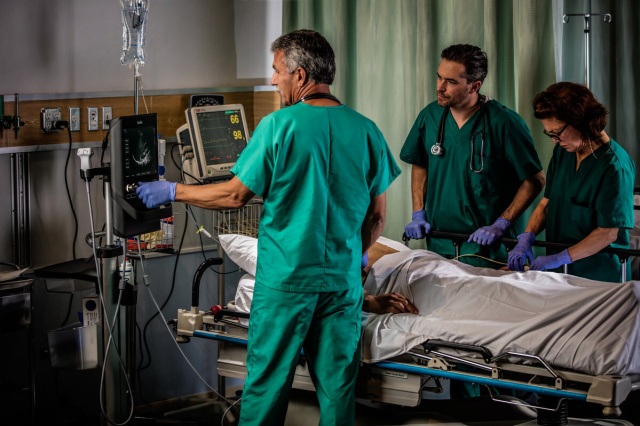
9 Reasons Ultrasound is Invaluable for Nephrologists
[8676]
Point-of-care ultrasound is fast becoming a key instrumental technique in nephrology , supporting diagnostics and improving delivery of renal replacement therapy and subsequent vascular monitoring.Here are the top 9 reasons why nephrologists can't afford to ignore ultrasound-guided procedures and applications. 1. Kidney and urinary tract scans provide information about size, shape and echogenicity, as well as an opportunity to identify hydronephrosis.2. Patients with chronic kidney disease are often at risk of cardiovascular complications, such as left ventricular hypertrophy.3. CKD…

Ultrasound Answers Questions in Emergency Care in Spain
[6612]
In the world of emergency medicine, there’s nothing fun about the guessing game. With a seriously ill or injured patient, every second counts and the wrong diagnosis can actually have a significant impact on health. That’s why having all available information is absolutely critical to stabilising patients and saving lives.
That’s also what makes point-of-care ultrasound so critically important in emergency care.
“[Ultrasound] allows us to determine the best course of action immediately, rather than making our initial decisions blindly and confirming later if we were right or wrong,”…
Beyond the Block: Why Would an Anaesthesiologist Use Ultrasound?
[6680]
Increasingly, anaesthesiologists have been using ultrasound guidance to help visualise soft tissue anatomy and nerve location while performing regional nerve blocks. Correct placement of local anaesthetics lead to long lasting pain management and enhanced recovery times.
But beyond the block, how does ultrasound help anaesthesiologists do their jobs?
The answer has a lot to do with the changing practise of medicine.
In the United States, anaesthesiologists are increasingly expected to perform a wider role in care of patients—that is, care before, during, and after surgery—a specialty known…
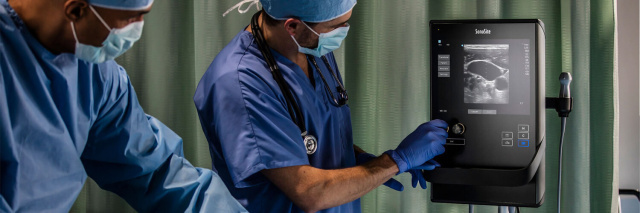
Beyond the Block: Why Would an Anaesthesiologist Use Ultrasound?
[6682]
Increasingly, anaesthesiologists have been using ultrasound guidance to help visualise soft tissue anatomy and nerve location while performing regional nerve blocks. Correct placement of local anaesthetics lead to long lasting pain management and enhanced recovery times.
But beyond the block, how does ultrasound help anaesthesiologists do their jobs?
The answer has a lot to do with the changing practise of medicine.
In the United States, anaesthesiologists are increasingly expected to perform a wider role in care of patients—that is, care before, during, and after surgery—a specialty known…

User Stories: Point-of-Care Ultrasound Aids Elephant Conservation in Vietnam
[6868]
Vietnam’s wild elephant population has dropped from over 2,000 animals to less than 100 in 20 years, making the country’s 60 or so captive elephants vital to preserving the genetic lines of this critically endangered species.Dr. Willem Schaftenaar, Veterinary Advisor to the European Studbook of Elephants, has been assisting the Đăk Lăk Elephant Conservation Centre (ECC) in identifying female elephants suitable for breeding. With the help the Animals Asia Foundation and a Sonosite Edge, Dr. Schaftenaar and the ECC are working with owners to establish a…
Ultrasound and Changes in Value-Based Care - Part 1
[7846]
Uncertainty – especially in economics, government, or healthcare - can be hard to handle. Combine a little bit of uncertainty in Washington D.C. and the medical community and you’ll have a window into 2017, a time when the future of the Affordable Health Care Act and the health sector is in flux. Is there a silver lining here? We believe so. 2017 presents an opportunity for healthcare providers to evaluate how technologies like ultrasound can solve their challenges. By expanding their use of ultrasound, we believe providers can attract more patients, increase their patients’ level of…
Ultrasound and Changes in Value-Based Care
[7888]
Uncertainty – especially in economics, government, or healthcare - can be hard to handle. Combine a little bit of uncertainty in Washington D.C. and the medical community and you’ll have a window into 2017, a time when the future of the Affordable Health Care Act and the health sector is in flux.
Is there a silver lining here? We believe so. 2017 presents an opportunity for healthcare providers to evaluate how technologies like ultrasound can solve their challenges. By expanding their use of ultrasound, we believe providers can attract more patients, increase their patients’ level of…
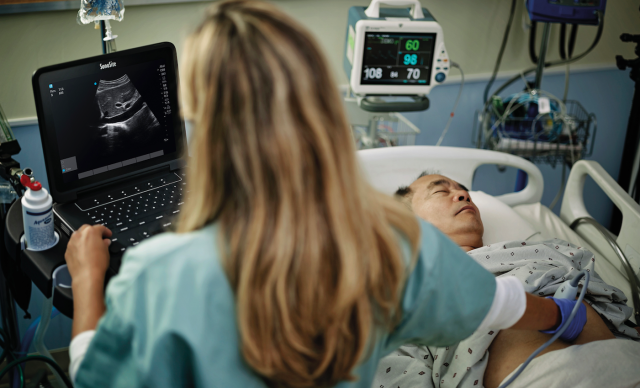
Treating Acute Pain Without Opioids
[7906]
For the past 20-odd years in the United States, traumatic and acute conditions have often been treated in the Emergency Room using opioid drugs. Now, with the effects of a nationwide opioid addiction crisis becoming increasingly dire, hospitals and trauma centres are looking for new ways to treat pain without prescribing addictive opioid painkillers.The goal of reducing opioid prescriptions is especially important for patients who are recovering from addiction to opioids. The Huffington Post has published a video that follows one patient’s story as he recovers from a shattered femur at the…
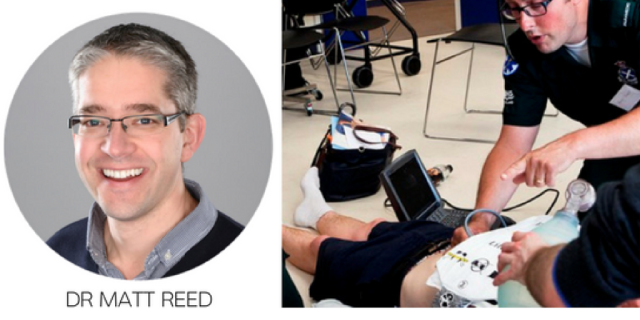
POCUS Profile: Dr. Matthew J. Reed
[7976]
Point-of-care ultrasound plays an important role in the emergency sector, enabling hospital clinicians and paramedics responding to an urgent call for medical assistance to assess a patient’s condition. Dr Matthew Reed, an Emergency Medicine consultant at the Royal Infirmary of Edinburgh, explains how ultrasound contributes to the management of cardiac arrest:"My interest in ultrasound began over a decade ago when, as a registrar training in Edinburgh, I visited Australia to work at the Royal North Shore Hospital in Sydney. At that time, we were not using ultrasound in Edinburgh;…
Concerns about Point-of-Care Ultrasound in Australia
[8050]
by Rich Fabian, Chief Operating Officer, FUJIFILM Sonosite
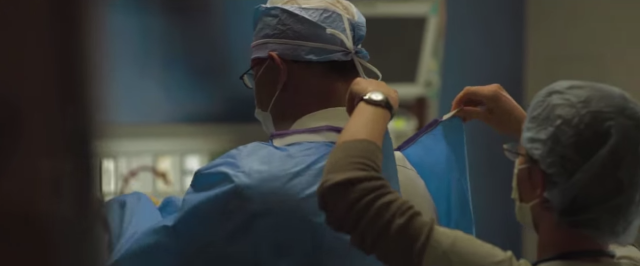
A recent article in the Sydney Morning Herald about a push for increased point-of-care ultrasound (POCUS) funding caught my eye. I was initially excited that the topic was receiving such prominent placement, but after delving in, I realised that that situation being described was obviously very frustrating for the people involved.
The article describes three problems that Australian providers and patients face when it comes to the use of POCUS in Australian Emergency Departments.
Medical Professionals Need POCUS Training…
The Tube Approach to Perioperative Point-of-Care Ultrasound
[8132]
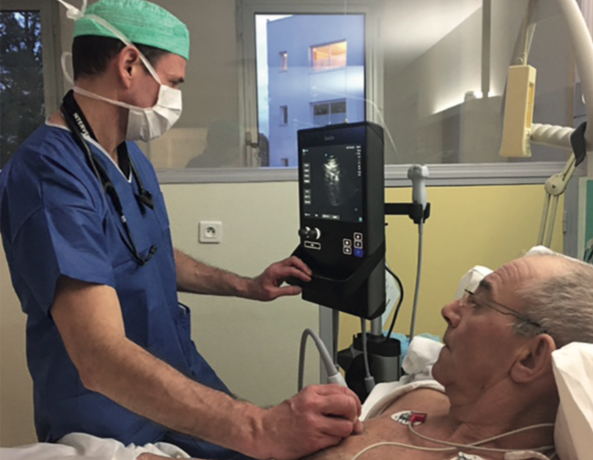
Anaesthetists working in perioperative medicine have increasingly taken a whole body approach to patient evaluation known as TUBE – Total Ultrasound Body Examination – thanks to the development of point-of-care ultrasound.Dr. Christophe Aveline, Consultant Anaesthetist in critical care and surgery at the Sévigné Private hospital in Rennes, is an advocate of TUBE and works closely on its adoption with the European Society of Regional Anaesthesia (ESRA) and the French Society of Anaesthesia and Resuscitation. Dr. Aveline recently sat down with Sonosite to discusses the importance of the TUBE…
Thyroid and Parathyroid Surgery Using Ultrasound-Guided Nerve Blocks
[8266]
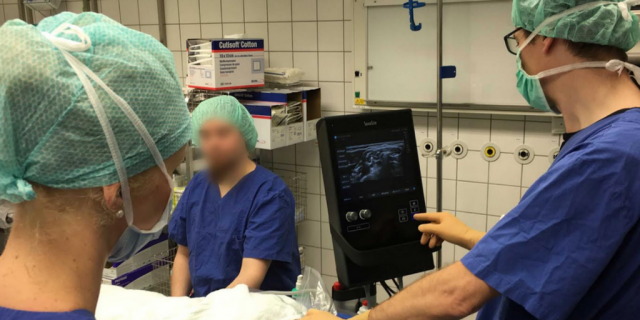
A Sonosite SII point-of-care ultrasound system recently played a key role in an innovative procedure of thyroid surgery without the use of general anaesthetic.Dr. Rüdiger Eichholz, a consultant anaesthetist working for private practise in Stuttgart, Germany, explained the case.“We were approached with an unusual case; a young woman in need of thyroid surgery, but unwilling to have a general anaesthetic due to a childhood medical trauma,” said Dr. Eicholz. “We looked at the possibility of performing an ultrasound-guided block of the cervical nerves pathway – a technique commonly used for…
Battling Opioid Over-Prescription from Inside the ED
[8666]
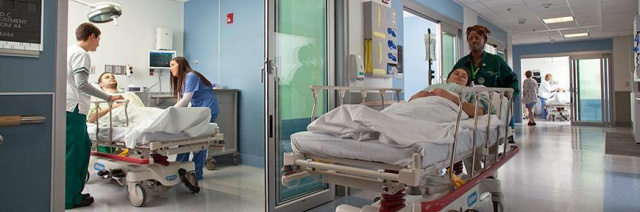
Did you know that nearly half of all opioid overdoses involve a prescription?Physicians are beginning to tackle the problem at ground zero: in the ED, where many patients receive their first prescription opioids.From treating acute traumatic pain to identifying new ways to alleviate patient suffering, emergency medicine physicians are identifying new ways to alleviate patient suffering without prescribing potentially addictive narcotics. Innovative methods like ultrasound-guided nerve blocks can take patient pain from 10 to 0 in a matter of minutes.Join FUJIFILM Sonosite (booth# 2307) in…
The Changing Face of Anaesthesia
[8646]
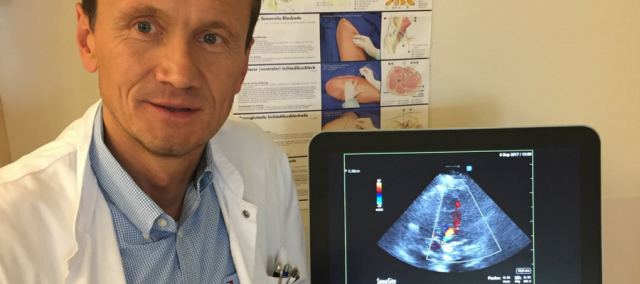
With constant pressure on healthcare providers to improve the quality and efficiency of care while reducing costs, standardisation of patient management is a logical step towards more streamlined services. Anaesthesia is one area that is beginning to embrace this approach, combining regional nerve blocks with ultrasound guidance to improve both the quality and effectiveness of patient care while minimizing hospital stays.Dr. Martin Zoremba (PhD), Chief Registrar in the anaesthesia Department at Kreisklinikum Siegen, describes the transformation of his department and the benefits that a…
Point-of-Care Ultrasound Shows Promise for Osgood-Schlatter Diagnosis
[7804]
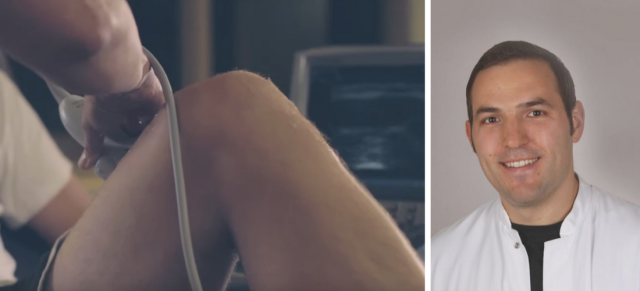
Osgood-Schlatter disease is a developmental disorder that causes musculoskeletal problems and is rare in the normal population. However, the condition is more common in teenagers who play sports, affecting an estimated 3-5% percent of this population; it causes painful inflammation below the knee in adolescents and can lead to permanent soft tissue damage. The condition is often diagnosed by MRI, which is both costly and impractical for screening purposes.Dr. Ralf Doyscher, from the Department of Sports Medicine at Charité – Universitätsmedizin Berlin, recently participated in a study of…
Six Steps to Implement Bedside Ultrasonography in Critical Care
[4738]
Health Management Magazine
Nidhi Nikhanj, M.D.
In this article for Health Management Magazine, Dr. Nidhi Nikhanj lays out the path for a system-wide implementation of point of care ultrasound to bring quality of care and enhanced patient safety to the bedside. See the six steps that a large health system used to successfully adopt ultrasound.
Read Article