


When treating critically ill patients, shock is frequently identified, yet the underlying etiology is elusive. Recognising and interpreting POCUS findings is crucial for rapid diagnosis and proper treatment of these time-sensitive cases. Join Cameron Baston MD to learn how to use POCUS to differentiate the etiology of shock.
What You'll Learn
- Identify the components of shock with POCUS: cardiac, venous filling, pulmonary, and others.
- Recognise and interpret the pattern of POCUS findings in case study examples to narrow the shock differential.
- Apply the appropriate treatment in clinical shock scenarios.
- Appreciate growing applications and advanced POCUS techniques in shock cases.
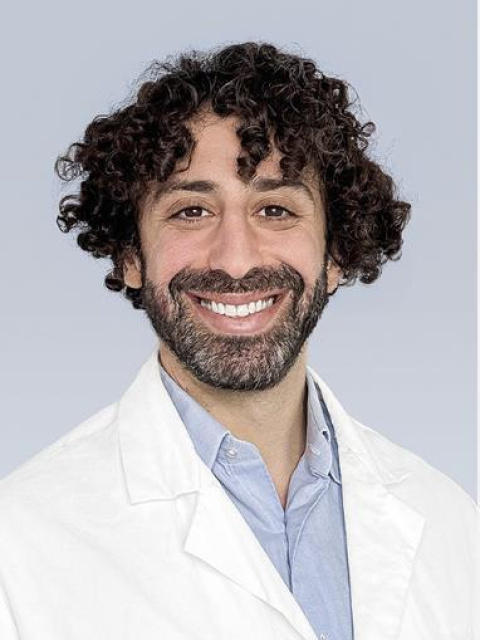
Cameron Baston, MD, MSCE, is a clinician advisor for Penn Health-Tech and an Assistant Professor of clinical medicine in the Department of Medicine at the University of Pennsylvania's Perelman School of Medicine. He serves as associate program director for the Pulmonary and Critical Care Medicine fellowship, and as director of clinician-performed ultrasound for the Department of Medicine. He has an interest in helping create low-cost medical devices in the resource-limited Critical Care setting and works with several organizations on POCUS and Critical Care education. A mechanical engineer, epidemiologist, Critical Care physician, and medical educator, he spends about 2/3 of his time caring for critically ill patients, and the remainder working on education innovation and health technology.

